I remember standing in my closet, staring at shelves that were either too deep or too shallow, and thinking, "Why does nothing fit right?" If you have ever felt that way, you are not alone.
Getting the right shelf depth can make a huge difference in how your closet works for you every day.
In this blog, I will walk you through how deep should closet shelves be, covering standard measurements, closet types, key factors to consider, and expert tips to help you plan smarter storage.
Standard Closet Shelf Depth Measurements
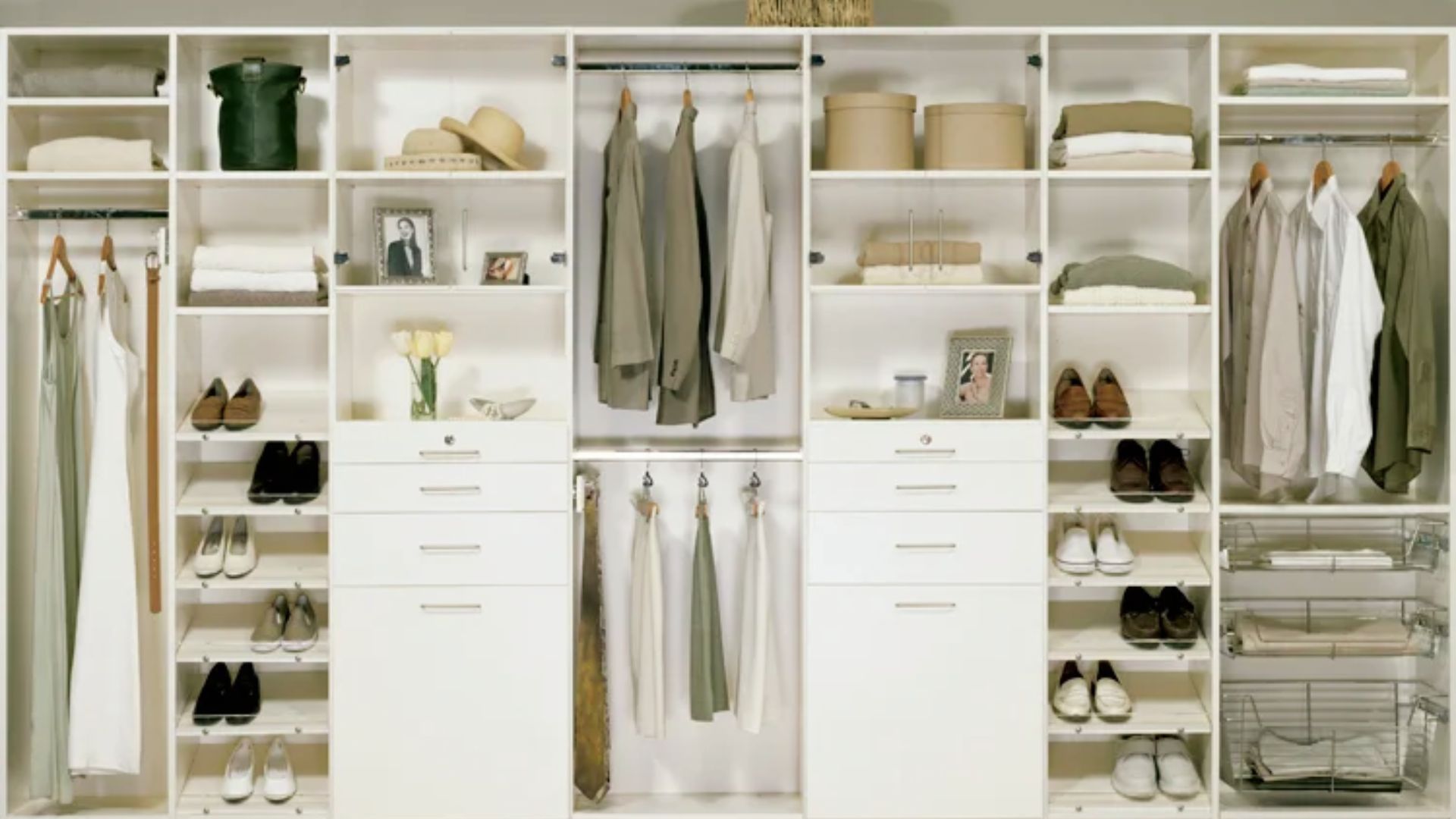
Getting the depth right from the start saves you from constant rearranging later.
Closet shelves generally come in a few standard depth ranges. Shelves between 10 and 12 inches suit compact or narrow closets.
The 12 to 14 inch range works well for everyday clothing and accessories. If you need a bit more room for bins or mixed storage, 14 to 16 inches is a balanced choice.
For bulky items like blankets or boxes, 16 to 20 inches gives you the extra space you need.
How Deep Should Closet Shelves Be for Different Closet Types
The right depth depends on the kind of closet you are working with.
Reach-In Closets (12 to 16 Inches)

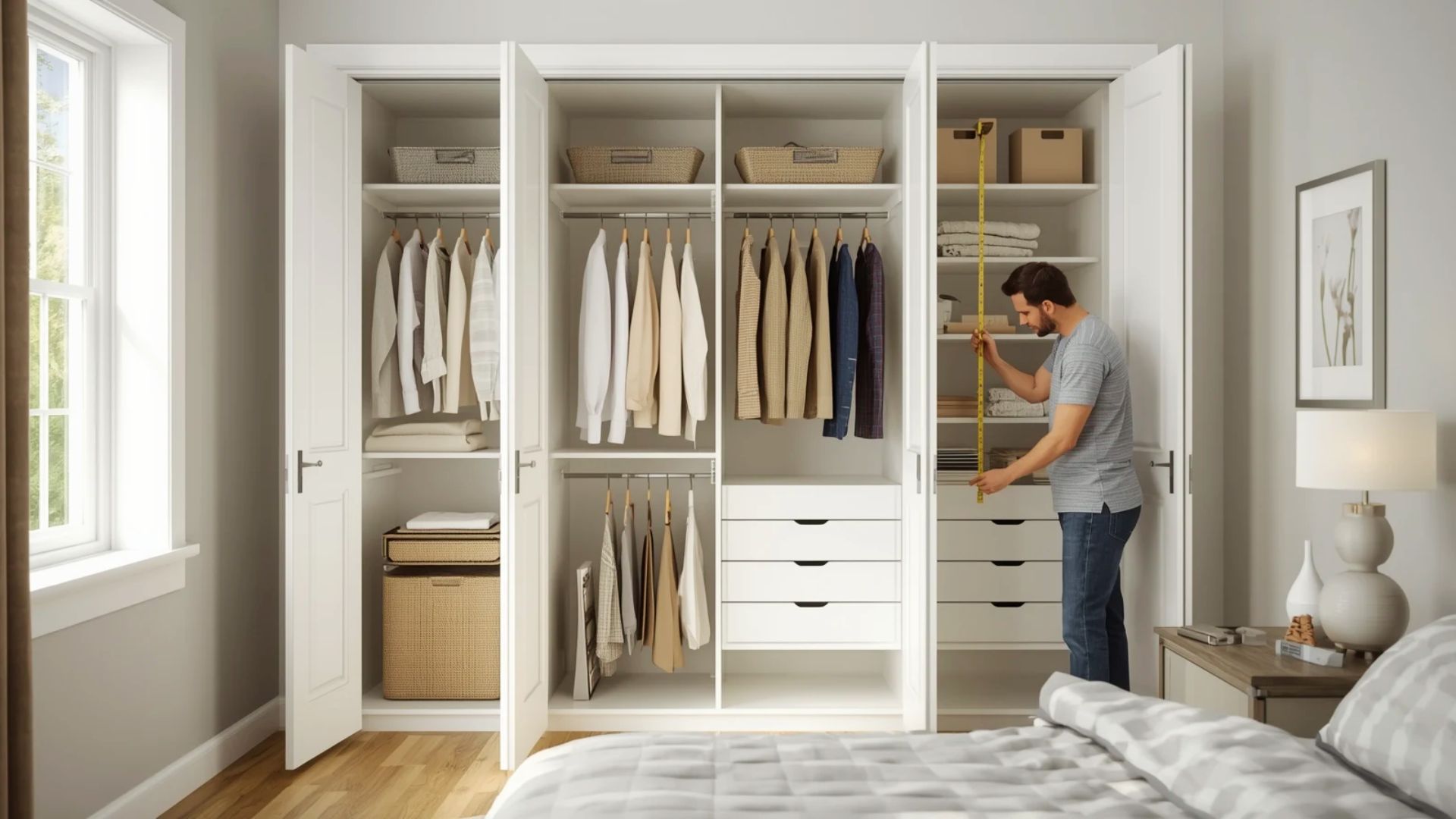
Reach-in closets are common in bedrooms and hallways. Since you access them from the front, keeping shelves between 12 and 16 inches ensures you can see and reach everything easily.
Going deeper than this often leads to items getting pushed to the back and forgotten.
Walk-In Closets (14 to 20 Inches)
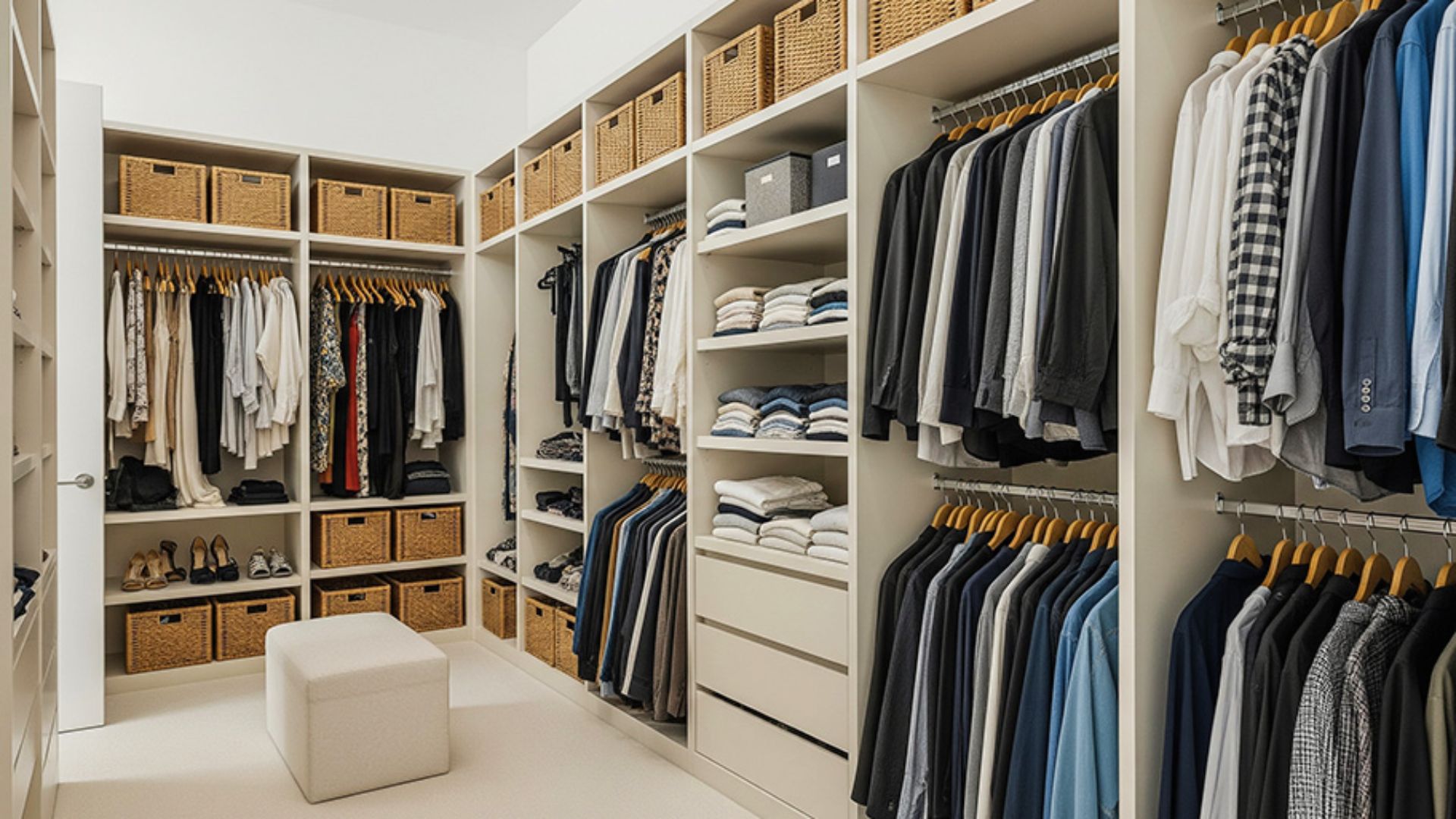
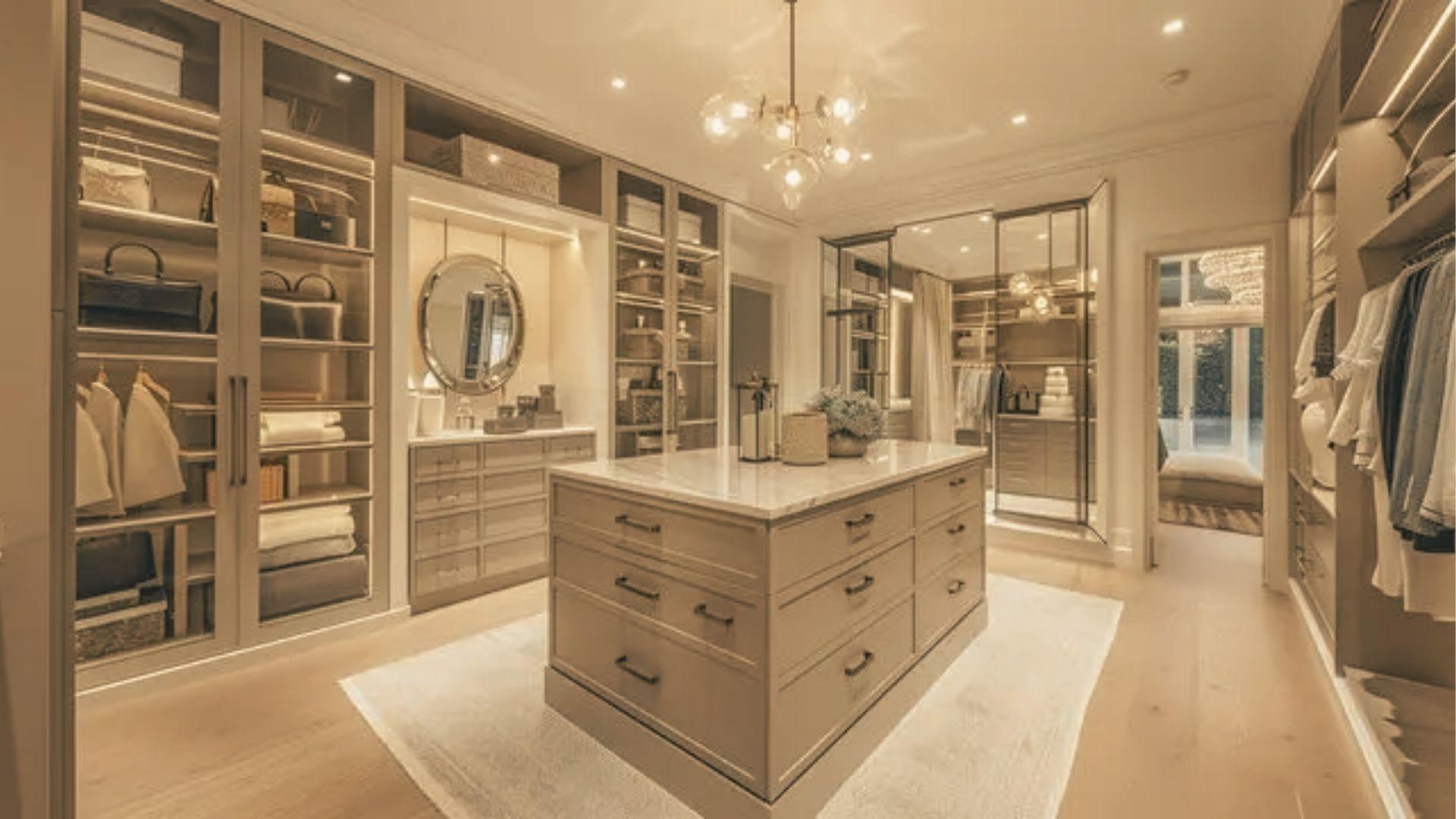
Walk-in closets offer more space, so you have more flexibility with depth. Shelves in the 14 to 20 inch range work well here for larger clothing piles, storage bins, and display setups.
Since you walk into the space, accessing deeper shelves is much easier than in a reach-in setup.
Wardrobe Closets (10 to 14 Inches)

Wardrobe closets are often built into smaller rooms or apartments. Keeping shelf depth between 10 and 14 inches makes the most of limited space without making the closet feel too tight.
This range also suits compact clothing items and folded garments well.
Linen Closets (12 to 15 Inches)

Linen closets are made for towels, sheets, and bedding. A depth of 12 to 15 inches keeps stacks neat and easy to pull out without everything tumbling forward.
It also prevents you from over-stuffing the shelves, which helps maintain order over time.
Pantry Closets (12 to 18 Inches)

Pantry shelves need to hold containers, jars, canned goods, and kitchen items of different sizes. A depth range of 12 to 18 inches gives you the flexibility to store both small and large items.
Just make sure to keep frequently used items at the front for easy access.
Key Factors That Affect Closet Shelf Depth

Before picking a shelf depth, it helps to think about what is actually going into your closet.
Type of Items Stored
Different items need different depths. Clothing and accessories generally need less depth than bins, boxes, or linens. Think about what you store most often and let that guide your decision.
Matching shelf depth to item size reduces wasted space and keeps things tidy.
Closet Size and Layout
The overall size of your closet plays a big role. In a small closet, deep shelves can make the space feel tight and items harder to reach.
Shallower shelves in compact spaces keep things open and functional. Always consider the layout before deciding on a depth.
Accessibility and Visibility
The deeper the shelf, the harder it is to see and reach what is at the back. This can lead to items being forgotten or ignored.
If visibility matters to you, sticking to shallower depths makes daily use much easier and keeps your closet feeling organized.
Door Clearance and Movement
If your closet has a hinged or sliding door, shelf depth matters for more than just storage. Shelves that are too deep can block the door from opening fully or make it difficult to move around.
Always check door clearance before finalizing your shelf measurements.
Expert Advice on Choosing Closet Shelf Depth

These expert tips can help you make a smarter, longer-lasting shelf decision.
Start with Standard Sizing (12 to 16 Inches)
This range works well for most homes and storage needs. It is safe, practical, and easy to work with. If you are new to closet planning or unsure about what you need, starting here gives you a solid foundation without overcomplicating things.
Prioritize Usability Over Maximum Depth
Bigger is not always better when it comes to shelf depth. A shallower shelf you can actually use every day is far more helpful than a deep one that hides your stuff. Think about ease of access first, and let that guide how deep you go.
Match Shelf Depth with Storage Containers
If you plan to use bins, baskets, or boxes, measure them before choosing your shelf depth. Shelves that match your container sizes make for a cleaner, more organized result. It also helps you use every inch of space without leaving awkward gaps.
Use Adjustable Shelving When Unsure
If you are not confident about what depth will work best, adjustable shelving is a great solution. It gives you the freedom to change things up over time as your storage needs shift. This is especially helpful in multi-use spaces or growing households.
Avoid Overly Deep Shelves in Small Spaces
In a small closet, deep shelves can create dead space at the back that is hard to use. This leads to clutter and frustration. Keeping depth on the shallower side in compact spaces helps you stay organized and makes the most of what you have.
Tips for Choosing the Right Closet Shelf Depth
A few simple steps can make your shelf choice much easier and more effective.
- Stick to 12 to 16 inches as your starting point for most homes
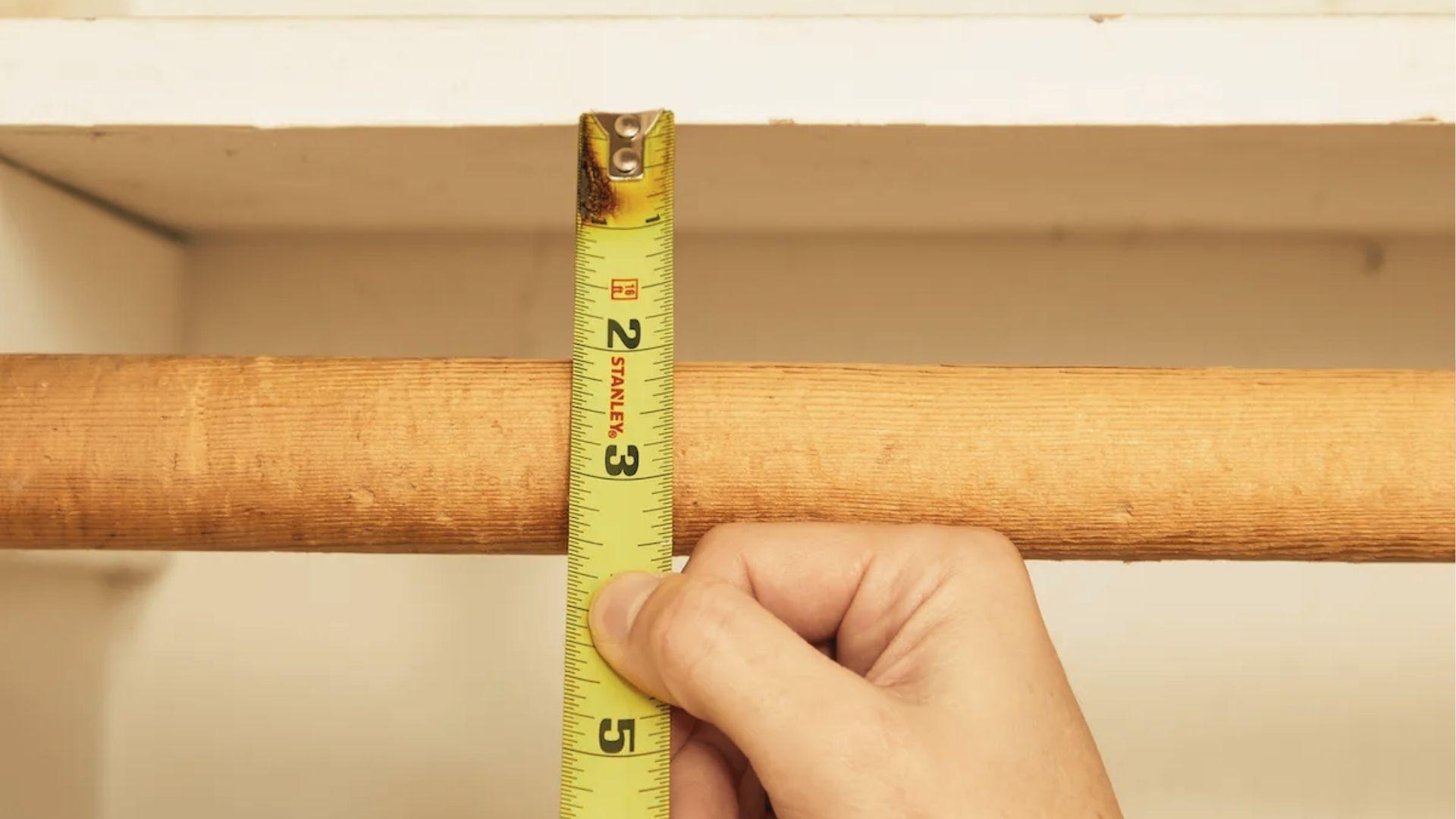
- Always measure your closet before installing any shelving
- Keep daily-use items on the most accessible shelves
- Use bins and baskets on deeper shelves to avoid back clutter
- Add lighting inside deeper closets for better visibility
Conclusion
When I finally measured my closet and matched the shelf depth to what I actually store, it changed everything.
I stopped losing things at the back and started using every shelf properly. The right depth is not about the biggest number.
It is about what works for your space and your life. For most people, 12 to 16 inches is a great starting point.
I hope this guide on how deep closet shelves should be helps you. Drop a comment below and tell me what closet type you are working with!
Frequently Asked Questions
What is the standard closet shelf depth?
The standard closet shelf depth is between 12 and 16 inches. This range works well for most clothing, accessories, and everyday storage needs in typical home closets.
Are deeper shelves better for closets?
Not always. Deeper shelves offer more storage space but can make items harder to see and reach. Sticking to a moderate depth keeps your closet functional and easy to manage daily.
What depth works best for small closets?
For small or narrow closets, a depth of 10 to 12 inches works best. It keeps items within easy reach, prevents the space from feeling cramped, and makes better use of limited room.
Can closet shelves be adjusted later?
Yes, if you install adjustable shelving systems, you can change the depth and height over time. This gives you flexibility as your storage needs change without having to rebuild from scratch.
Does shelf depth affect closet organization?
Yes, it does. Shelves that are too deep can lead to clutter and hidden items, while shelves that are too shallow may not hold everything you need. Matching depth to your storage habits keeps things in order.