Putting a dresser in the closet sounds simple. But is it actually a smart move?
If your bedroom feels cramped or cluttered, you have probably looked at your closet and thought, "What if the dresser went in there?" I have been there too.
This blog covers what works, what does not, and how to set it up properly. You will also find real advice, practical tips, and honest answers.
We have helped hundreds of readers fix their storage problems with simple, tested solutions. Let's figure out if this one is right for you.
What Does Putting a Dresser in the Closet Really Mean?

This setup is more common than you think, and it might be the fix your bedroom needs.
You simply move your dresser from the bedroom floor into the closet. This frees up bedroom space and keeps folded clothes tucked away behind a door.
It works best in walk-in closets or reach-in closets with enough depth. Most standard closets are around 24 inches deep, and a dresser needs at least that much space to fit.
People with small bedrooms, studio apartments, or compact living spaces find this setup practical and easy to manage.
When Putting Dresser in Closet Is a Good Idea

This setup shines in the right conditions. Here is when it actually makes sense.
Small Bedrooms and Compact Living Spaces
If your bedroom is under 150 square feet, every inch matters. Moving the dresser into the closet frees up space without buying any new furniture. It is one of the easiest changes you can make right away.
Walk-In or Wider Closet Layouts
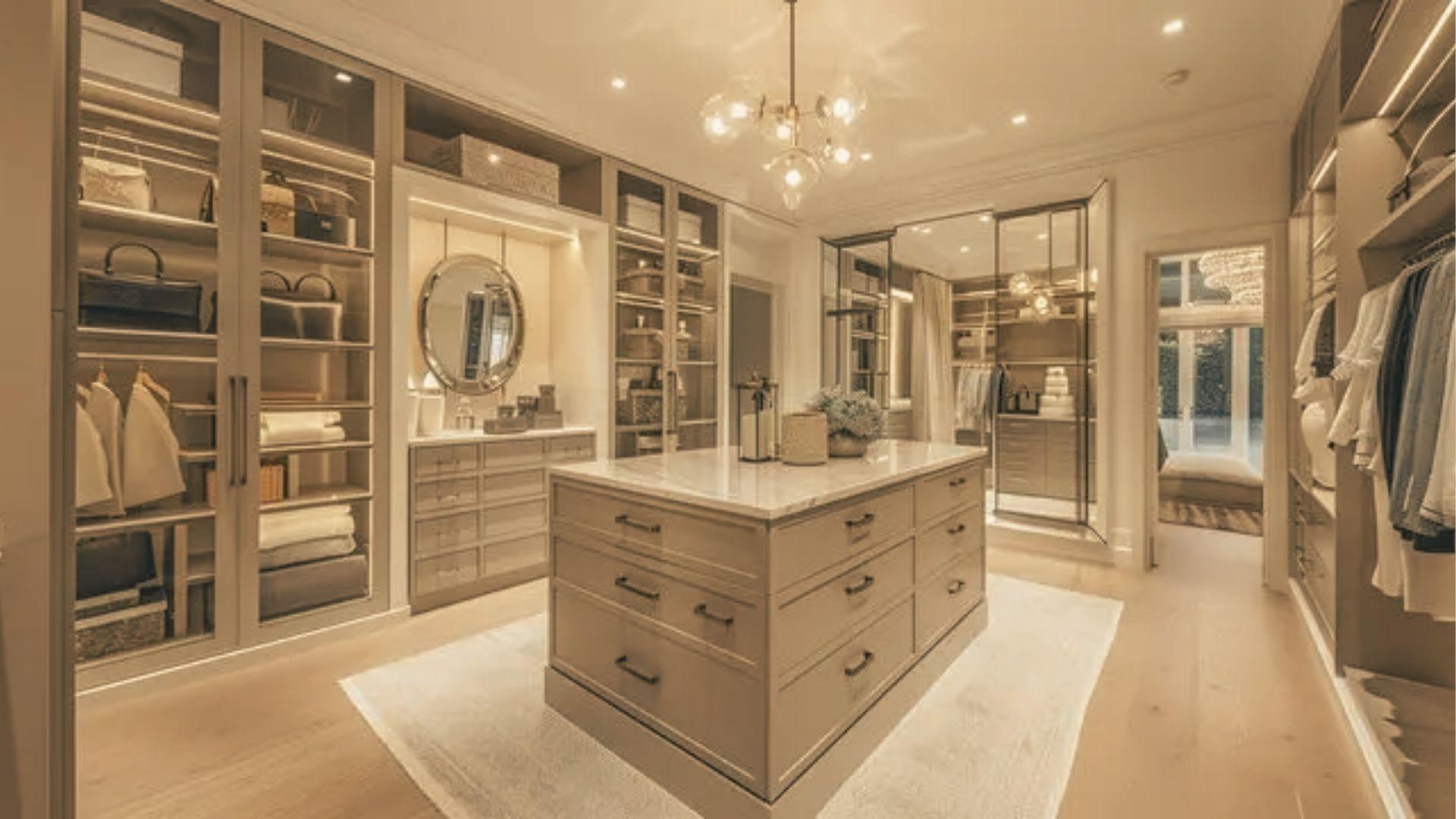
A walk-in closet with at least 5 to 6 feet of width gives you room for a dresser on one side. The other side stays open for hanging clothes. This layout makes the whole setup feel balanced and functional.
When Storing Mostly Folded Clothes
If most of your wardrobe is folded items like t-shirts and jeans, a dresser in the closet handles that storage perfectly. You do not need much hanging space in this case. The dresser can take over a larger portion of the closet without any issues.
When You Should Avoid Putting Dresser in Closet

This setup is not for every space. Knowing when to skip it saves you time and frustration.
Narrow or Shallow Closet Designs
If your closet is less than 22 inches deep, most dressers will not fit properly. Forcing one in can block the door or make the space feel unusable. Always check your closet depth before assuming it will work.
Closets Already Filled With Hanging Storage
If your closet is packed with long dresses, coats, or suits, there is likely no floor space left for a dresser. Adding one in this situation creates more problems than it solves. Clear out the closet first and then reassess.
When Access Becomes Difficult or Cramped
If you have to squeeze past the dresser to reach anything, the setup is not working. Storage should make your routine easier, not harder. A cramped closet slows you down every single morning.
Putting Dresser in Closet Community Opinions and Real Advice

Real people have tried this. Here is what they actually found.
What People Say About Using a Dresser Inside a Closet
Most people with walk-in closets say it works really well. They love having all their clothes in one place. Those with smaller reach-in closets tend to have more mixed experiences overall.
Real Experiences From Small Apartment and Bedroom Setups
In studio apartments and one-bedroom flats, this setup comes up often. Many residents say it helped them reclaim floor space they did not know they were missing. Some placed a small dresser on one side and kept a rod for hanging items on the other.
Common Issues People Face in Real-Life Use
The biggest complaint is limited movement inside the closet. Bottom drawers can also be hard to open if there is not enough clearance in front of the dresser. These are small things that add up to real daily frustration.
Best Ways to Fit a Dresser Inside a Closet

Getting the setup right makes all the difference between a space that works and one that frustrates.
Choosing the Right Dresser Size and Height
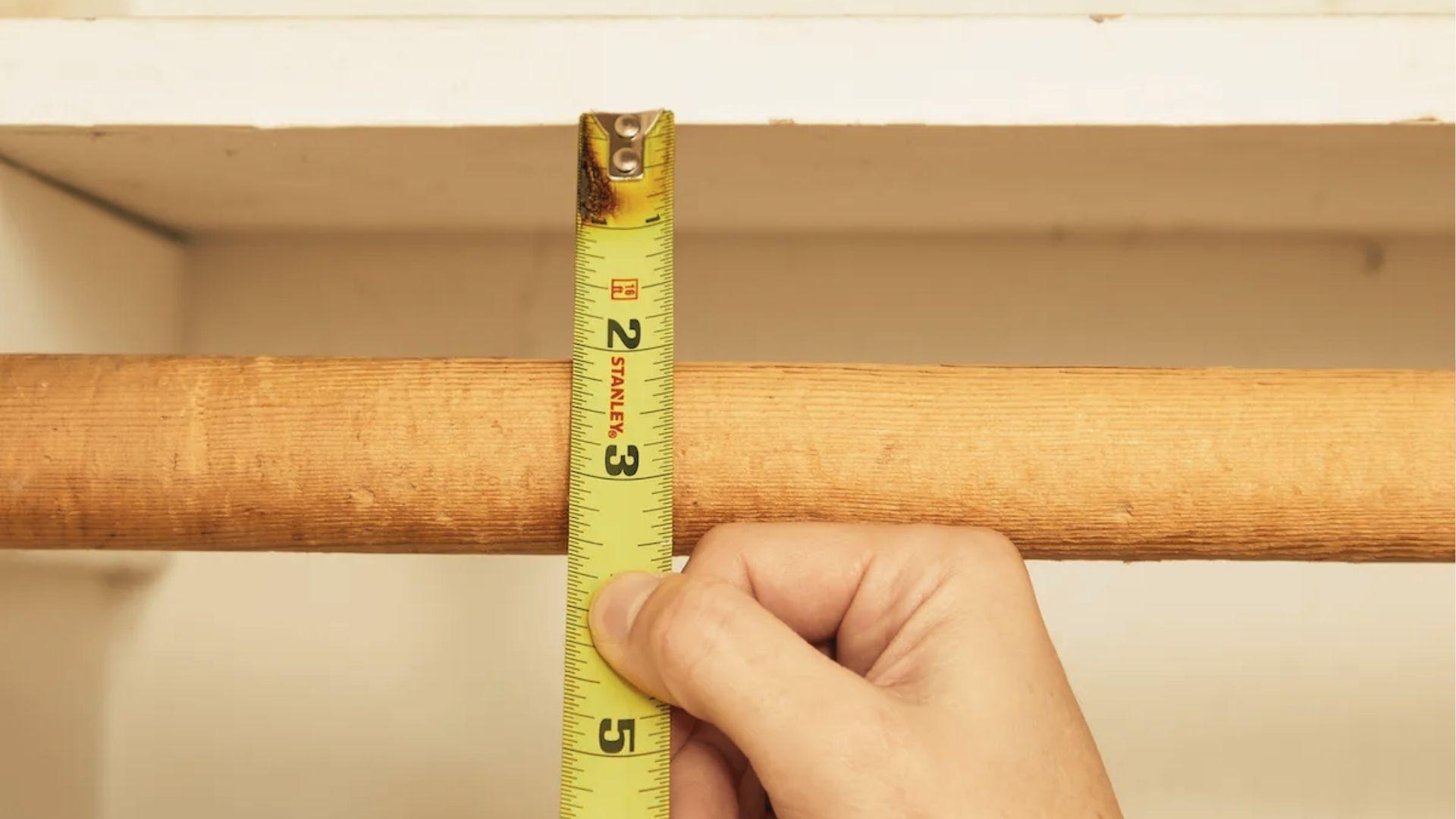
Go for a dresser no taller than 36 inches so you can hang clothes above it. A width of 30 to 36 inches fits most standard closets well. Always measure twice before moving anything into the closet.
Combining Dresser With Shelves and Hanging Rods
Place the dresser under a hanging rod to use the full closet height. Add a shelf above the rod for bags or boxes to keep things tidy. This way, every inch of the closet is being put to good use.
Using Vertical Space Efficiently
Most closets have unused space near the ceiling. Add a top shelf for seasonal items and keep everyday clothes at eye level for easy access. Going vertical helps you store more without adding floor clutter.
Slim Dresser vs. Built-In Storage Options
A slim dresser around 14 to 16 inches deep works well in tight closets. Built-in systems cost more but save space better in the long run. If you are renting, a slim freestanding dresser is the smarter and more flexible choice.
Smart Alternatives If a Dresser Does Not Fit

If a dresser is not the right fit, these options still get the job done.
Built-In Closet Drawer Systems
A built-in drawer tower fits flush against the wall and uses space more efficiently than a freestanding dresser. It costs more upfront but works much better in tight closets. It is a long-term investment that pays off in daily convenience.
Modular Shelving Units for Flexible Storage
Modular systems let you mix shelves, drawers, and rods to match your needs. Brands like IKEA PAX or ClosetMaid offer affordable and easy-to-adjust options. You can rearrange them anytime your storage needs change.
Under-Bed Storage Solutions
Flat bins or drawers that slide under your bed are great for folded clothes. They free up closet space entirely without adding anything visible to the room. This option works especially well in small bedrooms with limited closet space.
Wall-Mounted Organizers for Small Spaces
Pegboards, wall hooks, and hanging organizers hold accessories and small items without using any floor space. They work well in both closets and small bedrooms. A few hooks on the wall can replace an entire drawer of small items.
Expert Tips for a Functional Closet and Dresser Setup
Small changes in how you set things up can make the whole system work much better.
- Keep the closet from feeling too full by only storing what you actually use
- Sort drawers by clothing type, such as tops in one drawer and bottoms in another
- Place the clothes you wear most often at the front or at eye level
- Use drawer dividers to keep small items like socks and underwear from getting mixed up
- Leave a little breathing room between items to allow air to move through the closet
Conclusion
It depends on your space, and that is completely okay.
Honestly, I moved my own dresser into the closet a couple of years ago and never looked back. My bedroom felt twice as open the next morning.
If you have a walk-in closet or a wider reach-in, this setup is worth trying. If your closet is narrow or already packed, one of the alternatives in this post will serve you better.
Try it out, see how it feels, and make it your own. Drop a comment below sharing how your setup turned out. And if this helped, share it with someone who could use a little more bedroom space.
Frequently Asked Questions
Is putting a dresser in the closet a good idea for small rooms?
Yes, it can work very well in small rooms. Moving the dresser out of the bedroom frees up floor space and makes the room feel less crowded.
What size dresser works best inside a closet?
A dresser around 30 to 36 inches wide and no taller than 36 inches works best. It leaves room for hanging clothes and still fits within most standard closet widths.
Does it make the closet feel too crowded?
It can, if the closet is small or already full. In a walk-in or wider closet, a dresser fits naturally without making the space feel tight.
What are the best alternatives if it does not fit?
Built-in drawer systems, modular shelving, and under-bed storage are all solid options. They give you the same storage benefits without needing extra closet floor space.
Can any type of dresser work inside a closet?
Not every dresser is a good fit. Slim or low-profile dressers work best. Tall or very wide dressers can block movement and make the closet hard to use.