I've stood in front of a poorly planned closet more times than I'd like to admit. Clothes crammed in, shelves too deep, and nothing easy to reach. It's frustrating.
This guide on closet shelf depth for hanging clothes will fix that. I've spent time researching and applying these ideas in real spaces.
You'll find standard depth measurements, the best depth for different closet types, how to measure correctly, and common mistakes to skip.
You'll walk away with clear, simple answers you can actually use.
What Is the Standard Closet Shelf Depth for Hanging Clothes?
Getting the shelf depth right is the first step to a closet that actually works for you.
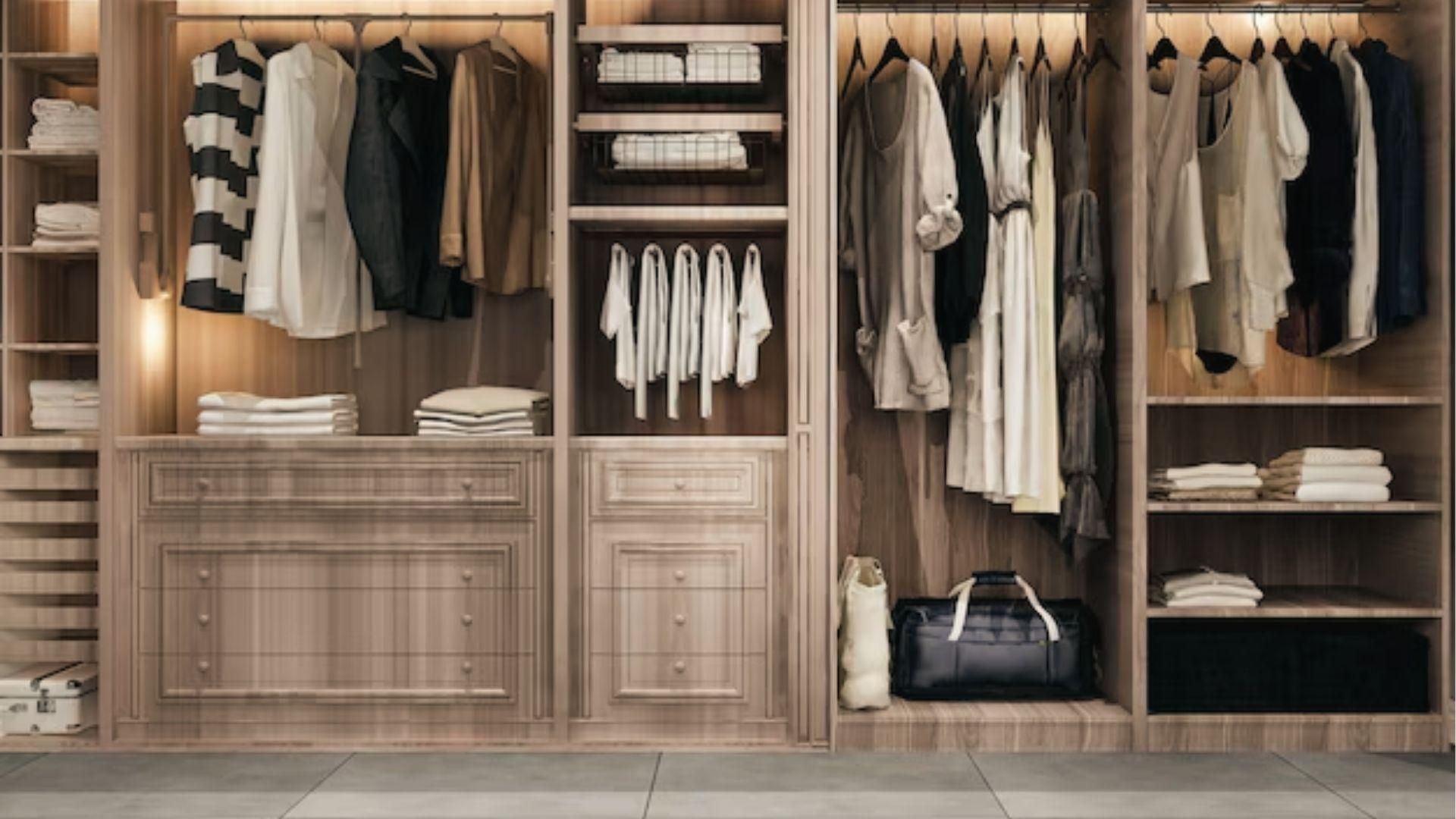
Most closet shelves are built between 12 and 16 inches deep, which works well for both hanging clothes and folded items.
A 12-inch shelf fits nicely above a hanging rod, while 16 inches suits folded clothes, bags, or bins.
Too deep and things get pushed to the back. Too shallow and nothing fits right. In most cases, 12 to 14 inches is the sweet spot for hanging spaces.
Best Closet Shelf Depth for Different Closet Types
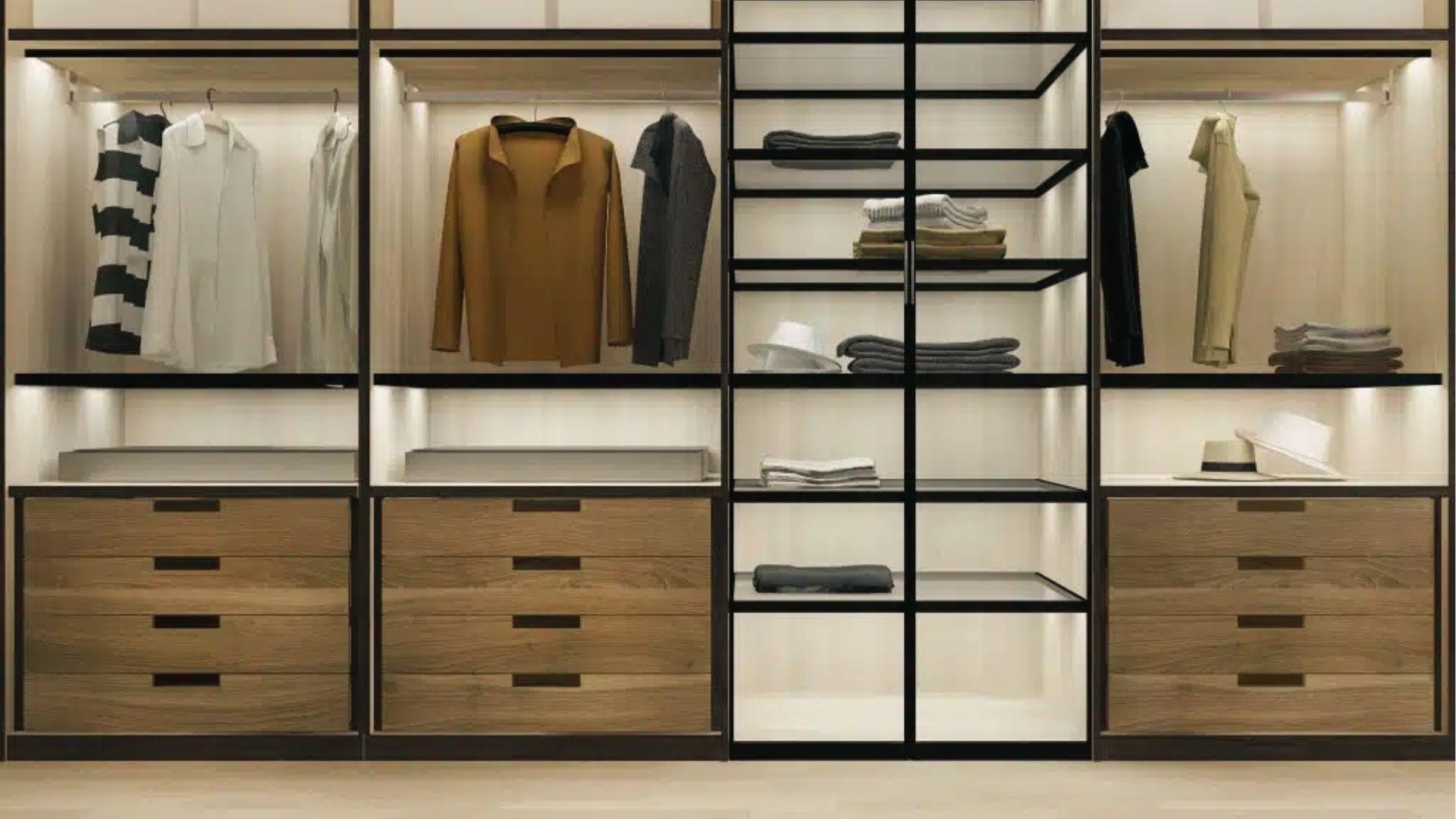
Not all closets are built the same, so the right depth varies by type and layout.
Reach-In Closet Shelf Depth Guidelines
Reach-in closets are small and narrow. A shelf depth of 12 inches works best here.
It keeps everything visible and within arm's reach without feeling cramped.
Avoid going deeper than 14 inches in a reach-in closet. You'll lose access to items pushed to the back.
Walk-In Closet Shelf Depth Recommendations
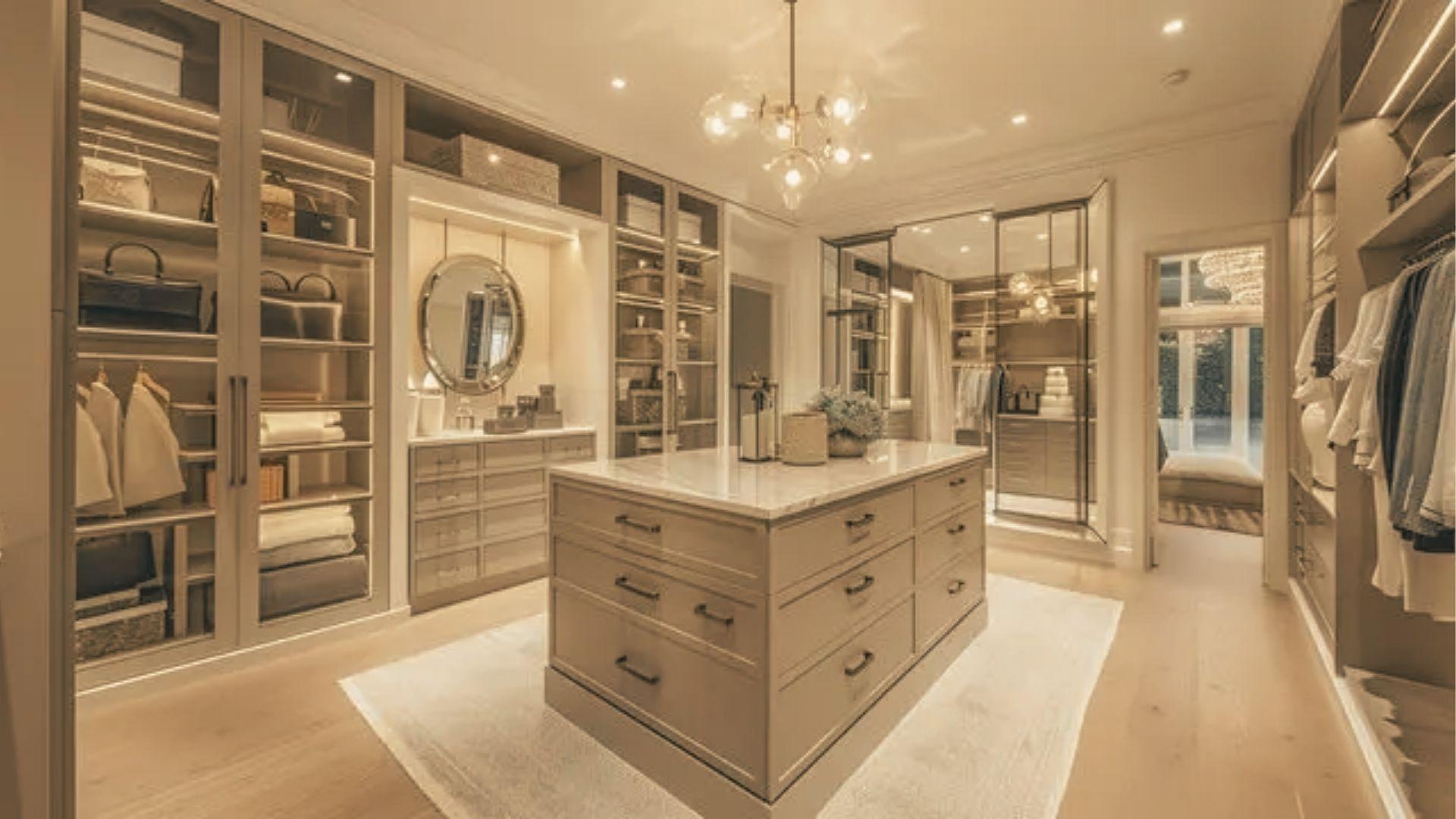
Walk-in closets give you more room to work with. Shelves here can go up to 16 inches deep on side walls.
You can also use different depths in different zones. Use 12 inches near the hanging area and 16 inches for folded clothes or shoes.
This zoning approach makes the most of your space.
Wardrobe Closet Shelf Depth Ideas
Most wardrobes come with fixed shelf depths around 18 to 20 inches. That's fine for folded clothes but can be too deep for hanging items.
If you have a freestanding wardrobe, look for one with adjustable shelves. This gives you more control over how you organize.
Add shelf dividers to keep things from sliding around.
Small Closet Shelf Depth Solutions
In a small closet, every inch matters. Stick to 10 to 12 inches for shelves above the hanging rod.
Use vertical space well. Add a second shelf up high for seasonal items you don't need often.
Keep the lower area open for hanging clothes to flow freely.
How to Choose the Right Closet Shelf Depth for Hanging Clothes

Picking the right depth means thinking about what you hang, fold, and store most often.
Shelf Depth for Shirts, Jackets, and Dresses
Shirts and light jackets don't need much shelf depth above them. A 12-inch shelf works fine.
Dresses and coats hang longer, so focus more on rod height than shelf depth for those items.
Keep the shelf above the rod clean and clutter-free to give clothes room to breathe.
Shelf Depth for Folded Clothes and Storage Bins
Folded clothes need a bit more depth, usually 14 to 16 inches.
Storage bins vary in size. Measure your bins first before choosing shelf depth. A shelf that's too shallow means bins stick out and look messy.
Label your bins so you can grab what you need fast.
Hanging Rod Clearance and Shelf Spacing Tips
The shelf above your hanging rod should sit at least 2 to 3 inches above the rod. This gives hangers room to slide easily.
Leave at least 40 inches of clearance below the shelf for shirts and folded jackets. Dresses and long coats need to be closer to 60 to 70 inches.
Plan this spacing before installing anything.
Avoiding Wasted Space With Deep Shelves
Deep shelves sound like a good idea but often create dead zones at the back.
If you go with 16-inch shelves, use baskets or bins to organize items. Pull-out drawers also help you reach the back without digging.
Only go deep where you have a real reason to store larger items.
Common Closet Shelf Depth Mistakes to Avoid
Small planning errors can make your closet frustrating to use every day, so knowing what to skip matters.
- Choosing shelves that are too deep is a common mistake. Deep shelves in small spaces make things harder to find, so stick to the standard 12 to 16 inch range unless you have a specific need.
- Shelves that stick out too far can block sliding doors or walkways. Always measure your door swing and leave at least 24 to 36 inches of clear walking space in a walk-in closet.
- Too many shelves in the hanging zone cause clothes to bunch up and wrinkle. Give each section a clear purpose, whether hanging, folding, or storage.
- Ignoring visibility makes your closet less functional. Deep shelves hide items you own, so keep your most-used clothes at eye level for easy daily access.
- Storing seasonal or rarely used items at eye level wastes prime closet space. Move them to higher or lower shelves to keep your everyday clothes front and center.
How to Measure Closet Shelf Depth Correctly
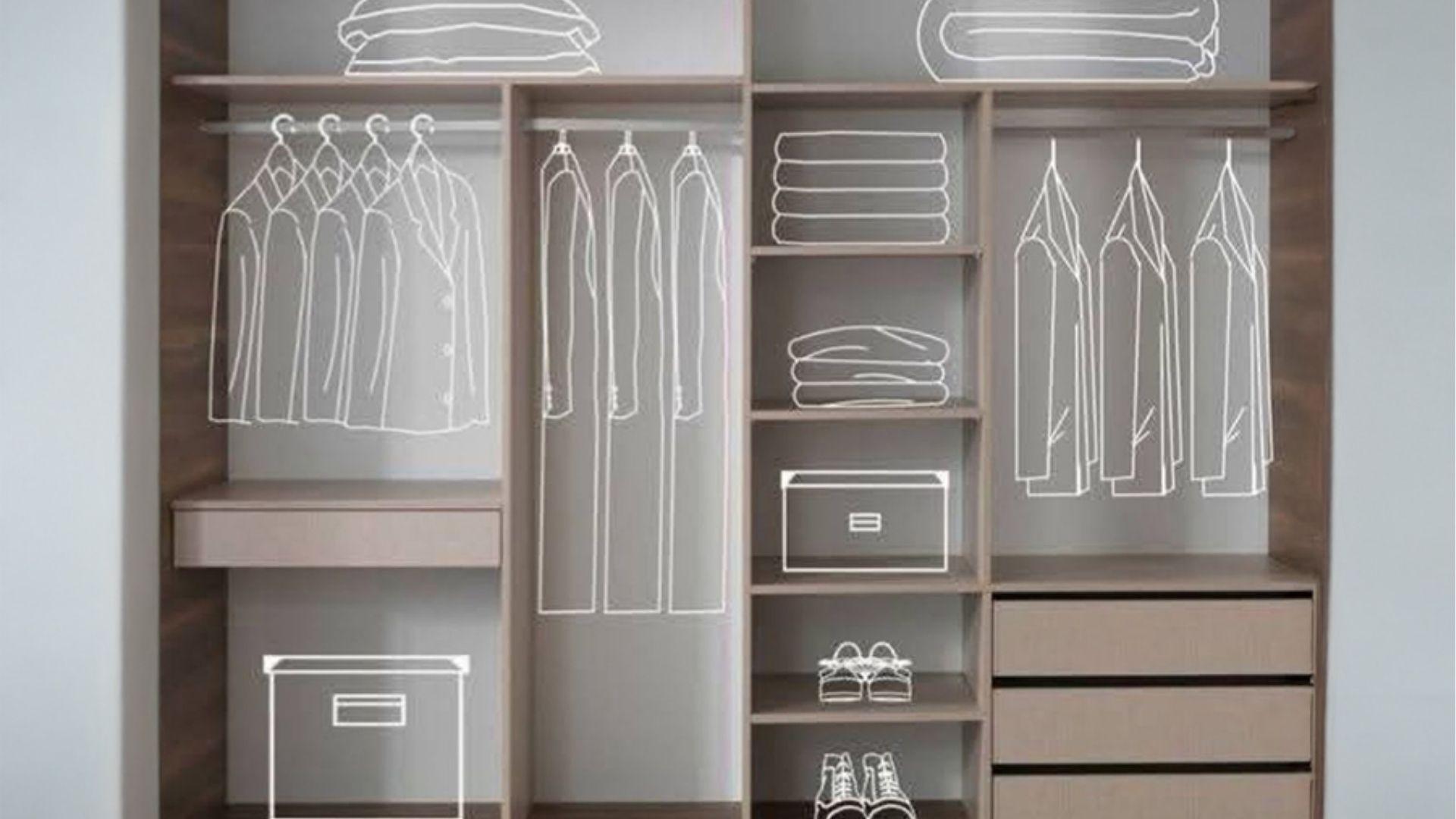
Measuring correctly from the start saves you from costly mistakes and wasted materials.
Tools You Need Before Measuring
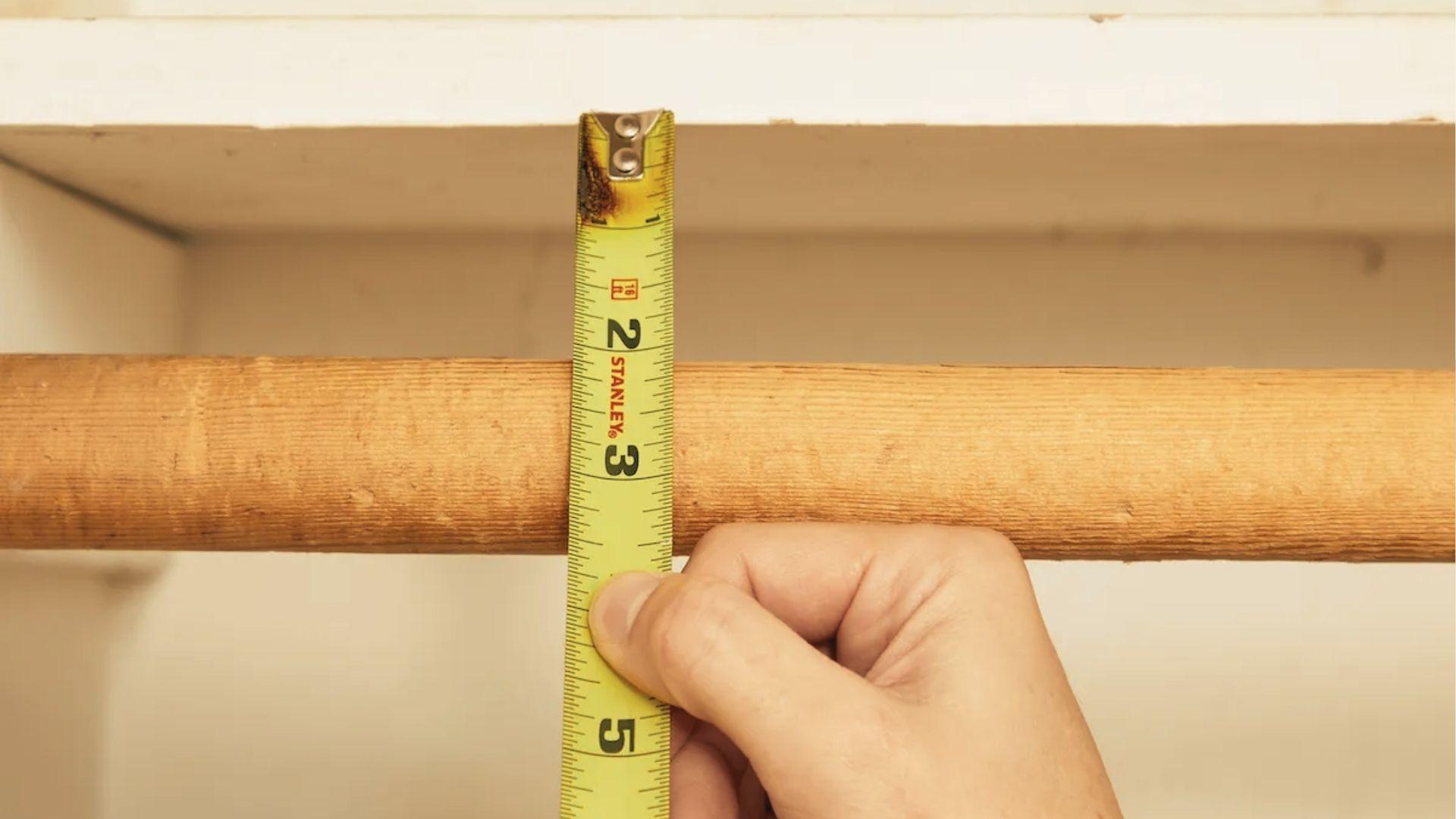
You'll need a tape measure, a pencil, and a notepad.
A level is also helpful to make sure shelves will sit flat. If you're mounting to drywall, have a stud finder ready.
Write everything down as you go. Don't rely on memory.
Measuring Shelf and Hanging Rod Clearance
Measure from the back wall to the front edge of where the shelf will sit. This gives you your shelf depth.
Then measure the distance from the shelf bottom to the floor. This tells you how much hanging clearance you have.
Double-check both numbers before cutting or buying materials.
Planning Shelf Spacing for Better Organization
Shelf spacing depends on what you're storing. Folded clothes need about 12 to 14 inches between shelves. Shoes need around 6 to 8 inches.
Plan your spacing on paper first. Draw a simple diagram of the closet and mark where each shelf will go.
This makes installation much easier.
Double-Checking Closet Dimensions Before Installation
Measure the closet width, height, and depth at least twice. Walls are not always perfectly straight.
Check for baseboards, outlets, or light switches that might get in the way.
A few minutes of double-checking can save you hours of fixing later.
Tips to Maximize Closet Storage and Hanging Space
Smart storage habits and the right setup can turn even a small closet into a well-organized space.
- Adjustable shelving systems with wall-mounted tracks make it easy to move shelves up or down as your storage needs change over time.
- Baskets and drawers below hanging sections are great for accessories and small items, using vertical space that would otherwise go to waste.
- Closet organizer kits come in many sizes and can be adjusted to fit almost any closet layout without much effort.
- Battery-powered LED or motion-sensor lights are a simple fix for dark closet corners and help you see everything clearly.
- Group clothes by type and move out-of-season items to higher shelves or under-bed storage to keep your daily routine faster and stress-free.
Conclusion
Getting closet shelf depth for hanging clothes right changed how I start my mornings. No more digging or cramming. Just a simple, organized space that works.
Start with 12 inches above the hanging rod and adjust from there based on what you store.
Measure twice, plan on paper, and keep things accessible.
If this guide helped you, share it with someone who's dealing with a messy closet. Drop a comment below and tell me what worked for you. I'd love to hear it.
Frequently Asked Questions
What is the ideal closet shelf depth for hanging clothes?
A depth of 12 inches above the hanging rod works well for most clothing types. It keeps items accessible and gives hanging clothes enough room.
Can closet shelves be too deep?
Yes. Shelves deeper than 16 inches often create dead zones at the back. Items get pushed out of sight and are harder to reach on a daily basis.
How much clearance does a hanging rod need below a shelf?
Shirts and jackets need about 40 inches of clearance. Dresses and long coats need 60 to 70 inches to hang without touching the floor.
What shelf depth works best in a small reach-in closet?
Stick to 10 to 12 inches deep in small closets. This keeps everything visible and easy to grab without the space feeling too tight.
Should all shelves in a closet be the same depth?
Not necessarily. You can mix depths based on what each section holds. Use shallower shelves above the rod and deeper ones for bins or folded clothes.