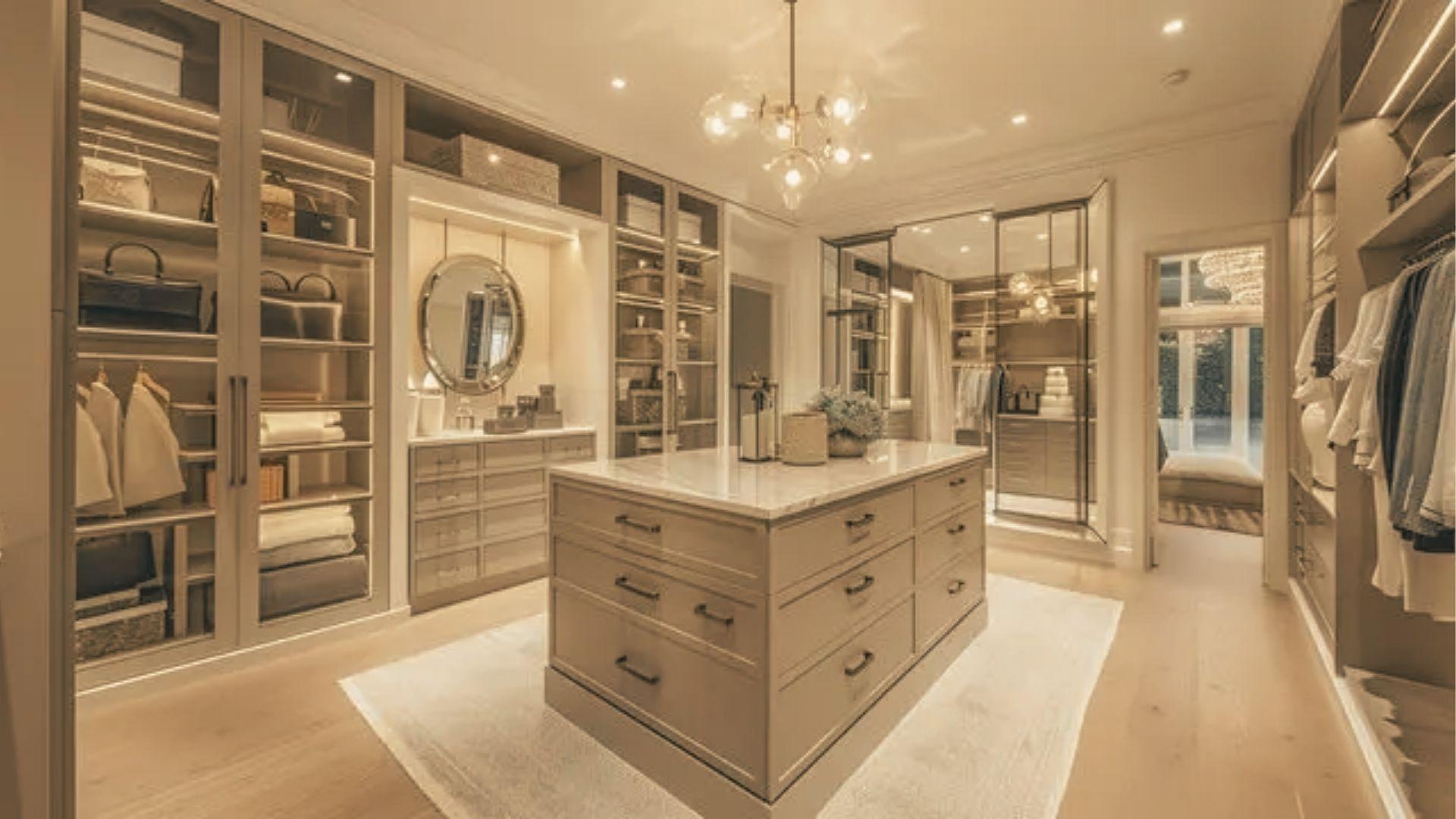
Picking the best wood for closet shelves is not as simple as grabbing whatever is on sale.
I learned that the hard way after my first DIY closet project ended with sagging shelves within months.
In this guide, I will share 17 wood options ranked by strength, cost, and use case. You will learn which wood handles heavy loads, which works in humid spaces, and which fits a tight budget.
I have researched and tested these options so you do not have to start from scratch.
This guide covers everything from solid hardwoods to engineered options so you can make a confident choice the first time.
Choosing the Right Wood Makes all the Difference for Storage that Lasts

Not all wood holds up the same way on a closet shelf. The right choice depends on five core factors; load capacity, moisture resistance, dimensional stability, workability, and cost.
A softwood may look fine at the lumber yard but sag within months under real weight.
An unsuitable panel product can swell and crumble in a humid closet.
Matching the material to your actual storage conditions is what separates shelves that last years from ones that need replacing seasons later.
17 Best Wood for Closet Shelves Ranked
Here is a clear breakdown of every wood type so you can choose with confidence.
1. White Oak

White oak is one of the strongest hardwoods available. It is dense, resistant to moisture, and holds screws very well. It works in almost every closet type and finishes beautifully.
2. Hard Maple

Hard maple is tough and smooth. It is a great option for shelves that carry a lot of weight. It does not dent easily and holds up well over time.
3. Walnut
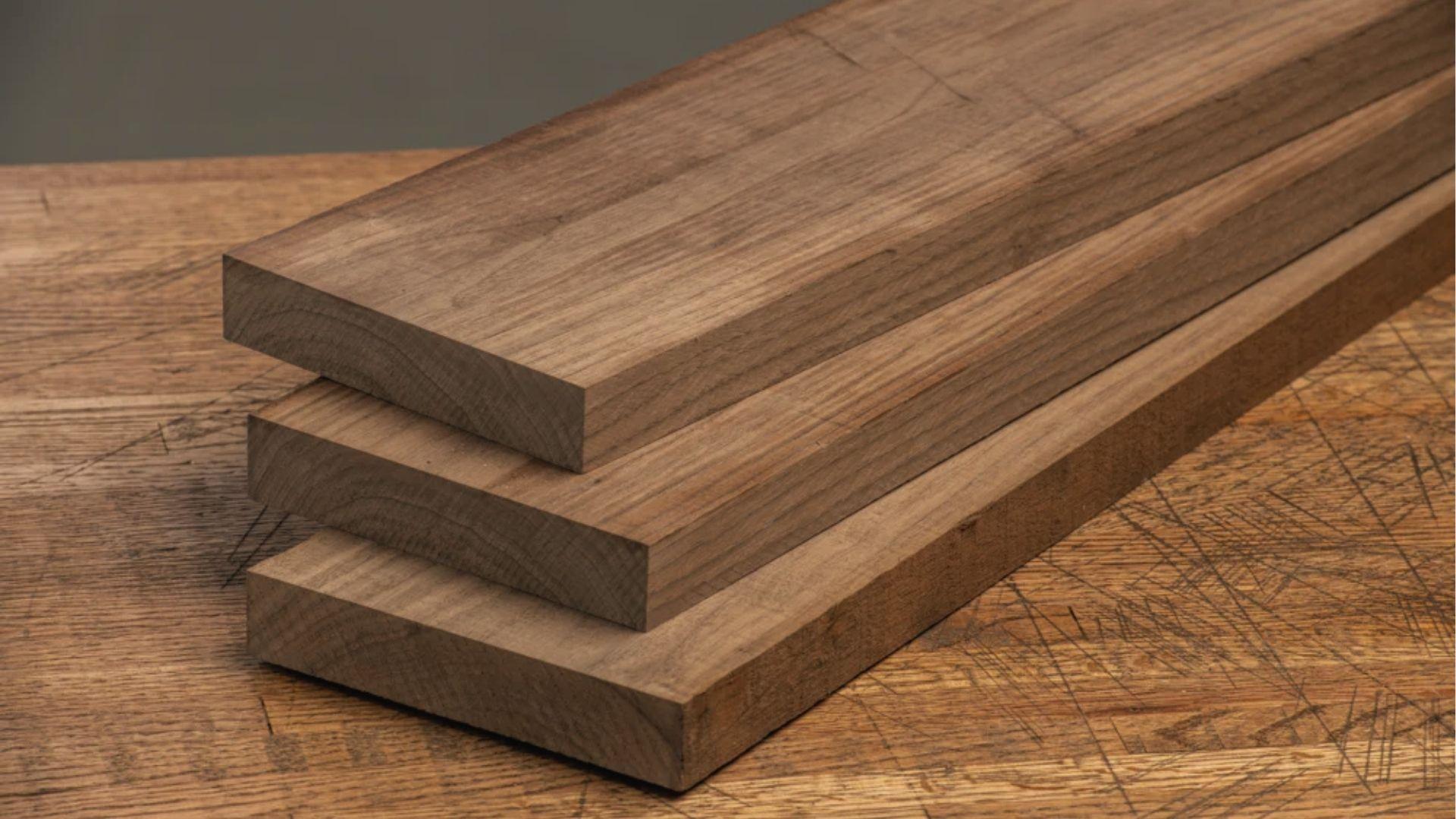
Walnut has a dark, rich look that works well in modern and high-end closets. It is strong, easy to work with, and takes stains and finishes very well.
4. Birch

Birch is a budget-friendly hardwood with a clean, light grain. It is commonly used in plywood sheets and works well for painted shelves.
5. Cherry
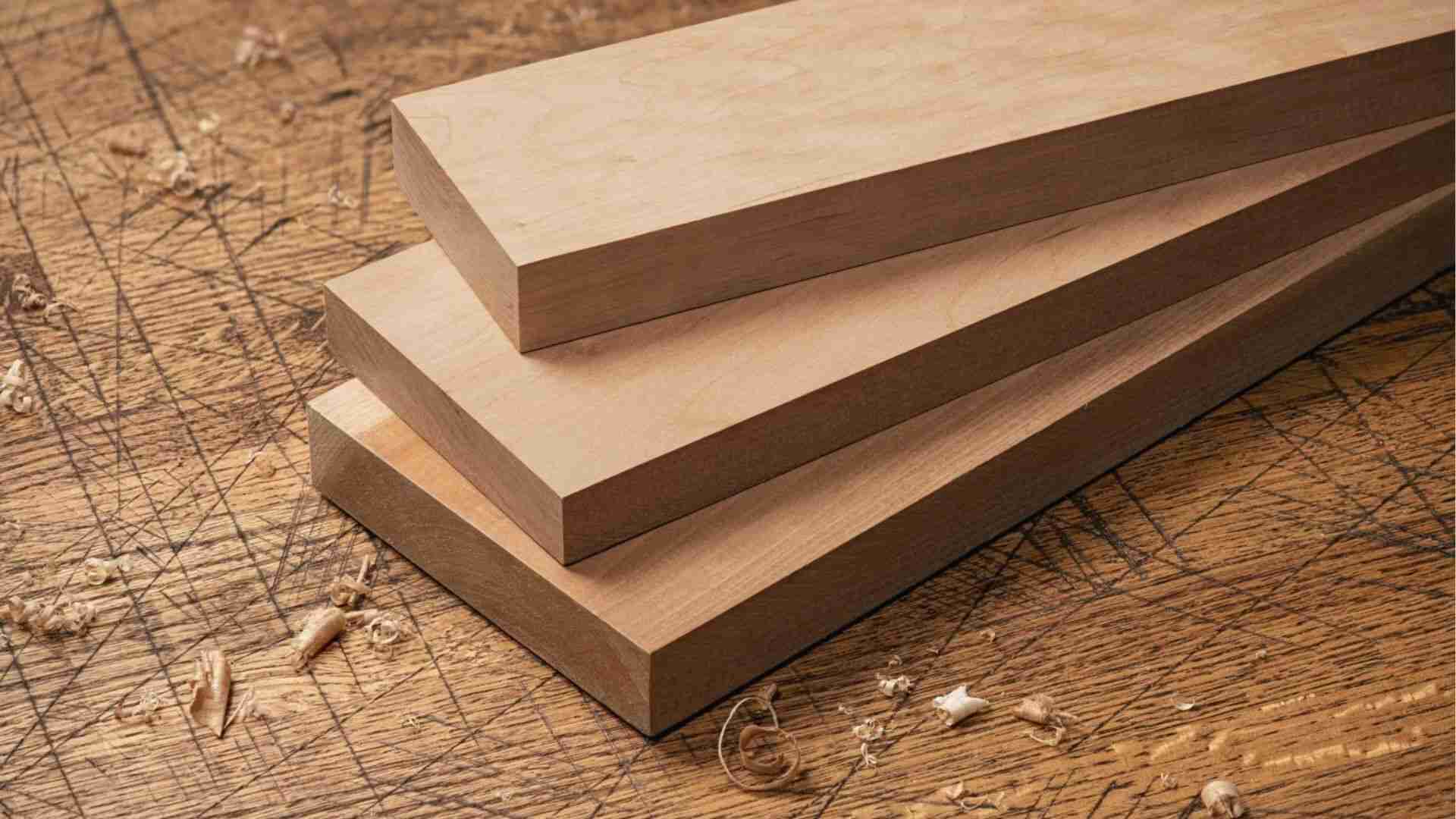
Cherry wood starts out light and darkens over time to a deep reddish-brown. It is smooth, strong, and great for luxury closet systems.
6. Hickory
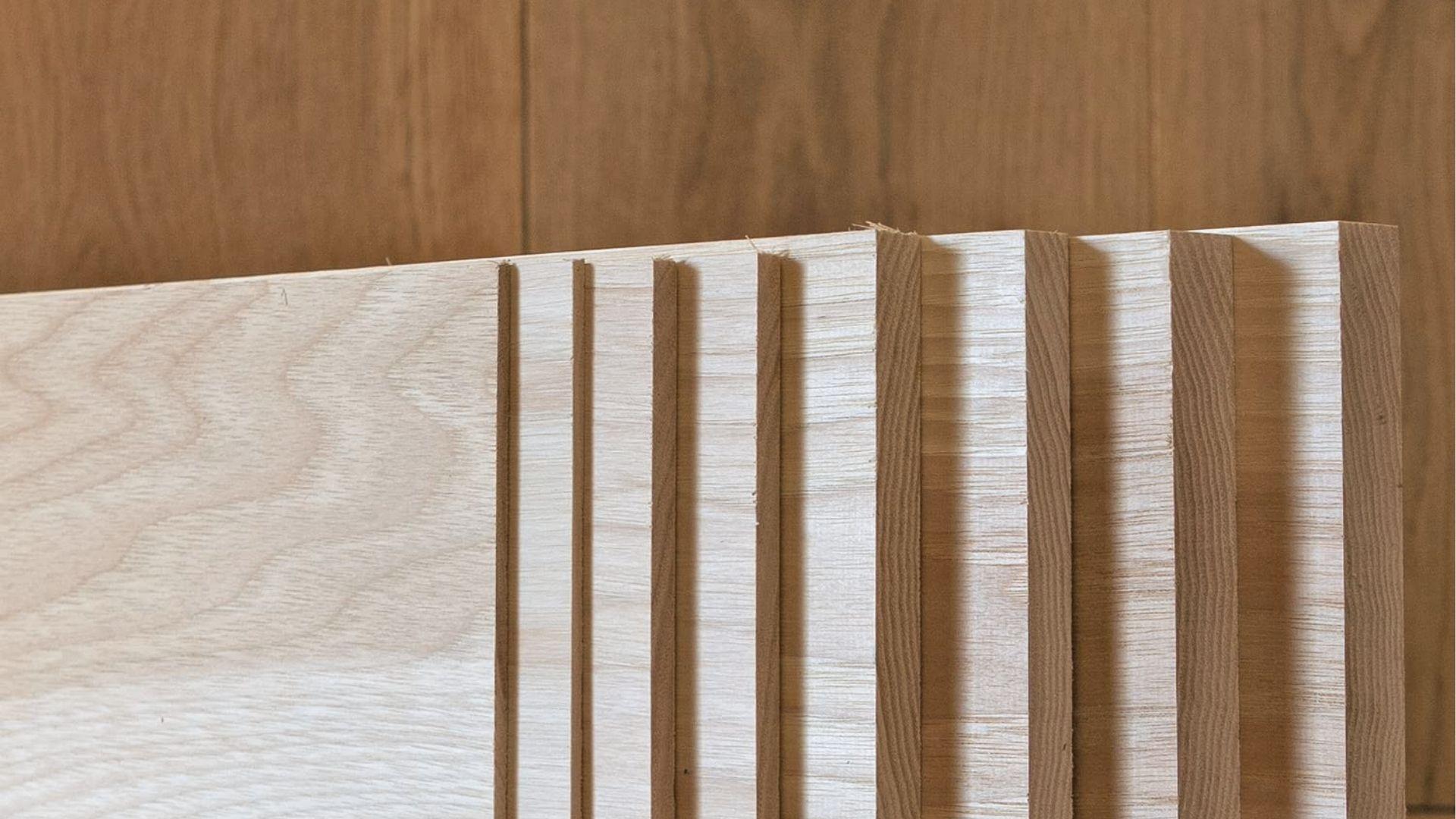
Hickory is one of the hardest domestic woods. It handles heavy loads without flexing and is a solid pick for garage or utility closet shelves.
7. Pine
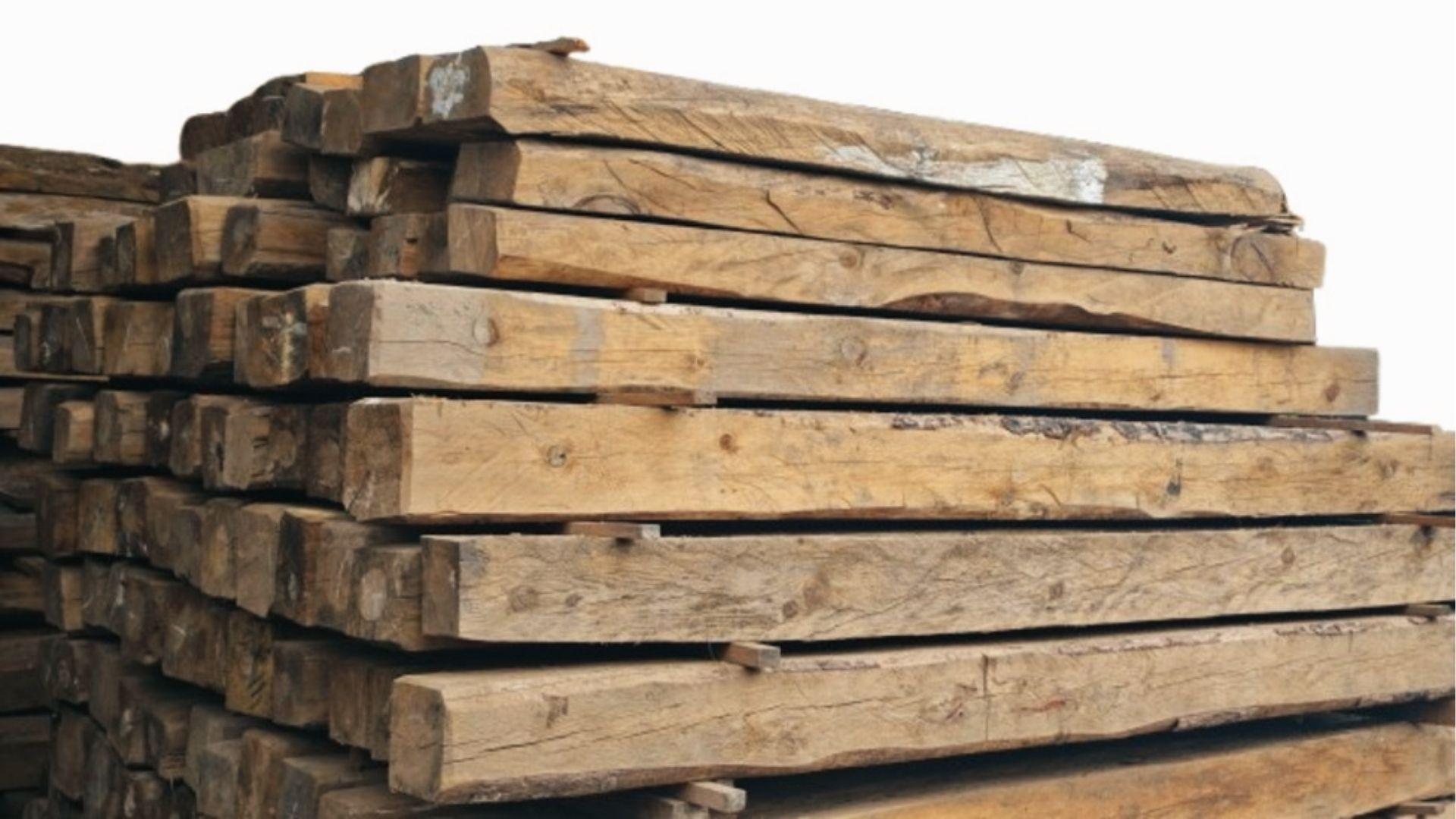
Pine is affordable and easy to find. It is softer than hardwoods, so it can dent with very heavy loads, but it works well for light-use closets and looks great when painted.
8. Cedar
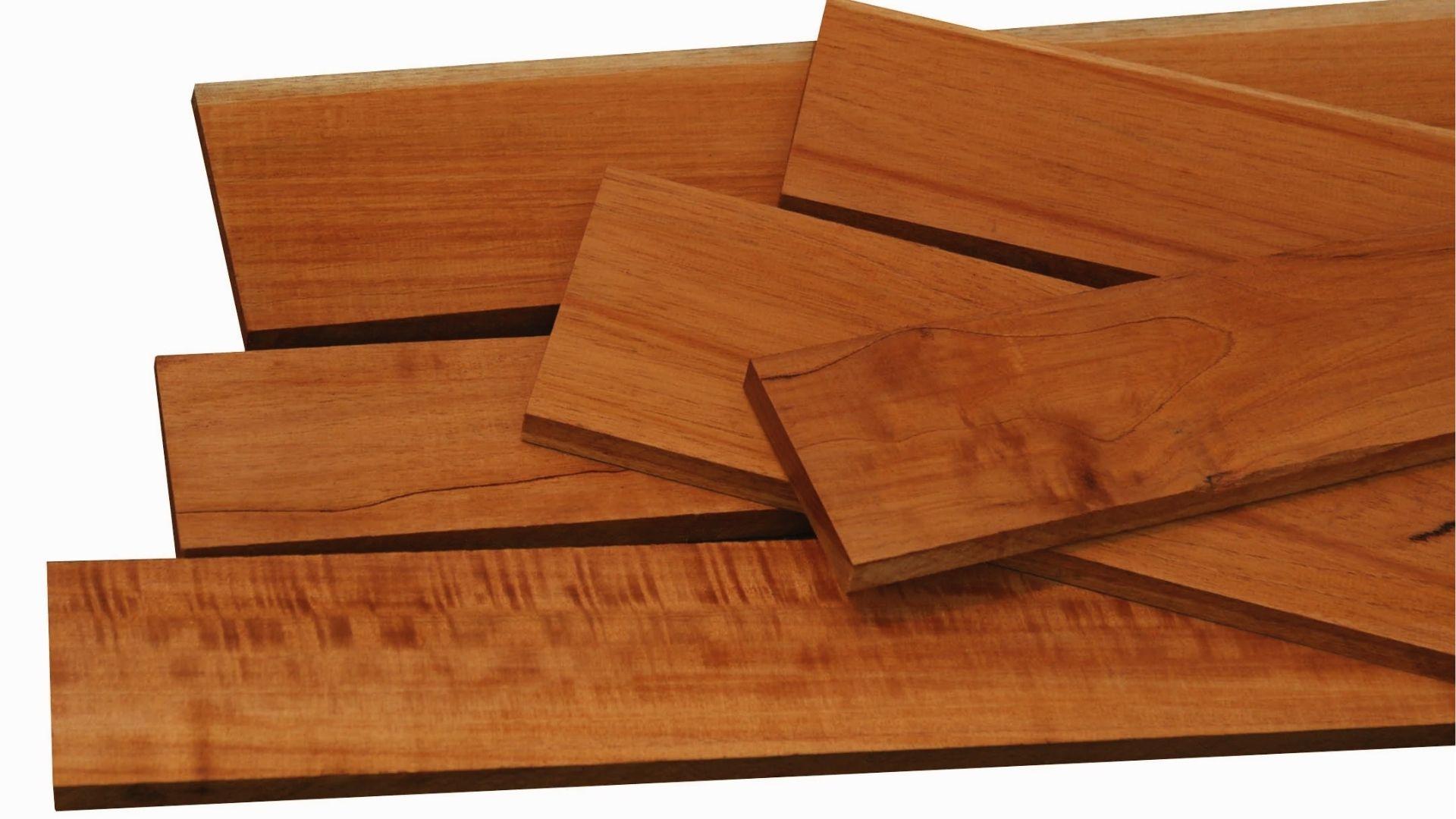
Cedar is the go-to wood for closets where moths and humidity are a concern. It has a natural scent that keeps pests away and resists moisture well.
9. Redwood
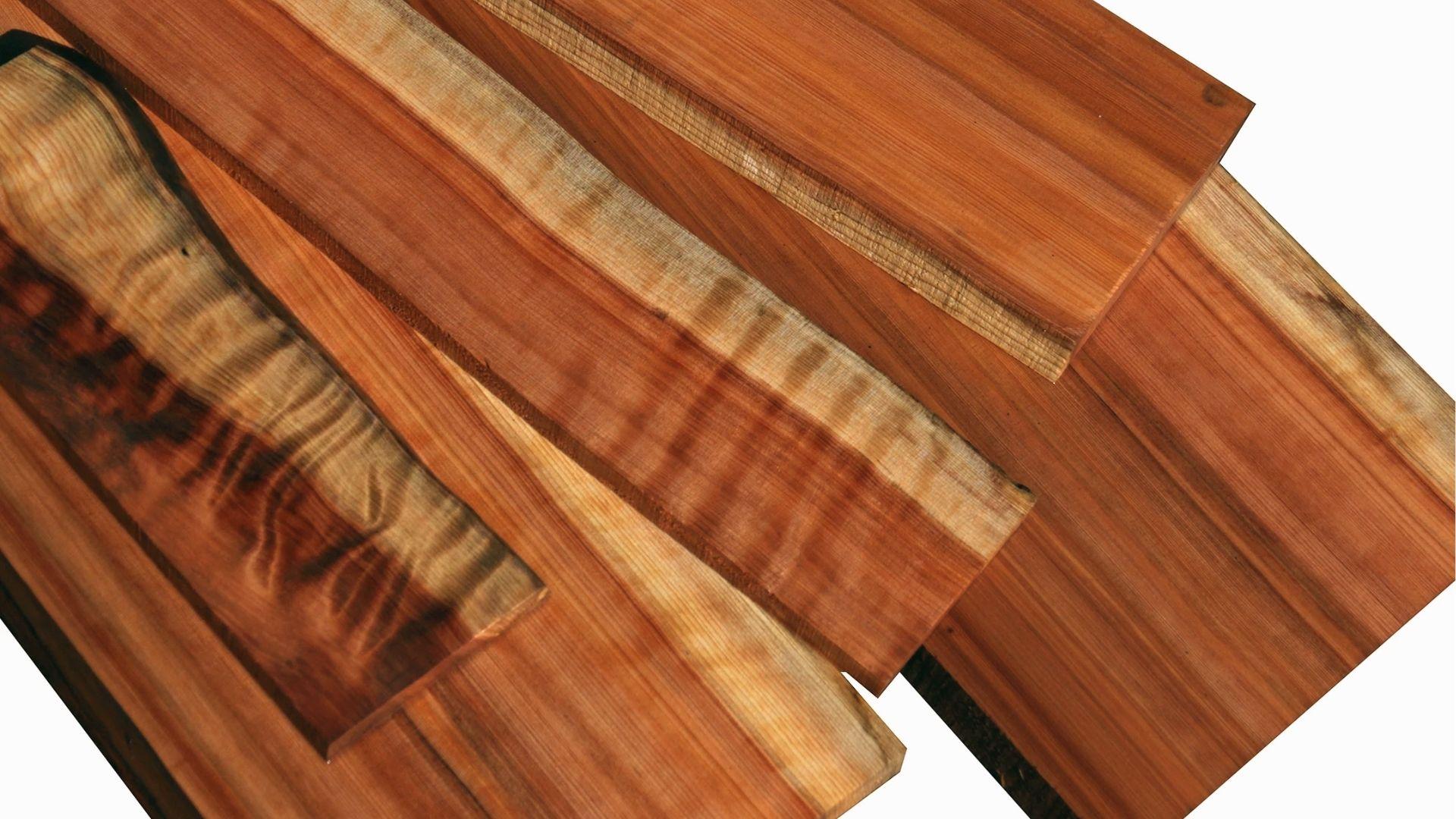
Redwood is naturally rot-resistant and works well in humid or outdoor storage spaces. It is light in weight but holds up well to the elements.
10. Poplar

Poplar is smooth and takes paint well. It is a step above pine in hardness and a popular choice for painted built-in shelving systems.
11. Bamboo
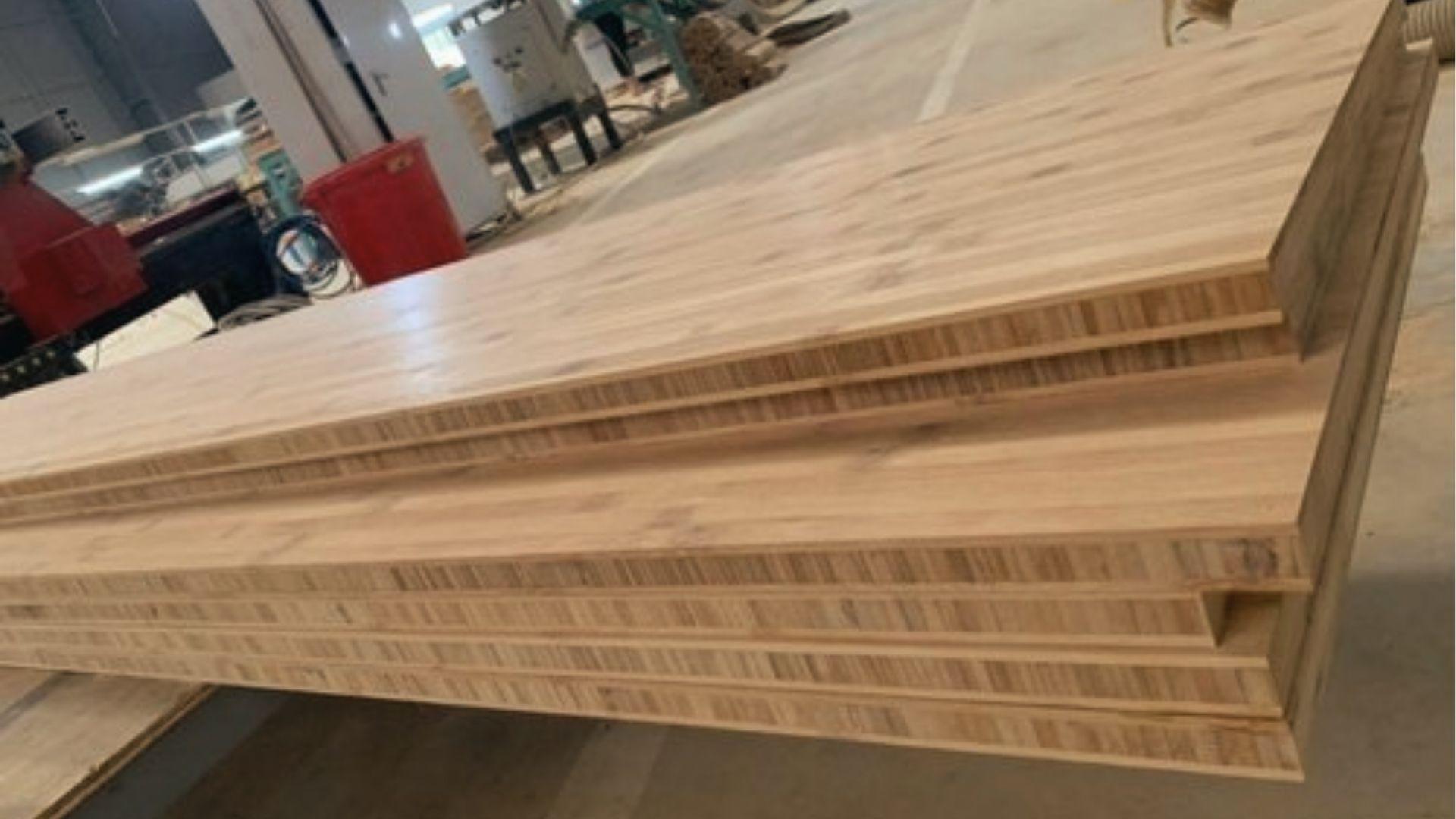
Bamboo is technically a grass, but it acts like wood. It is strong, sustainable, and resistant to moisture. It is a solid pick for eco-conscious buyers.
12. Acacia
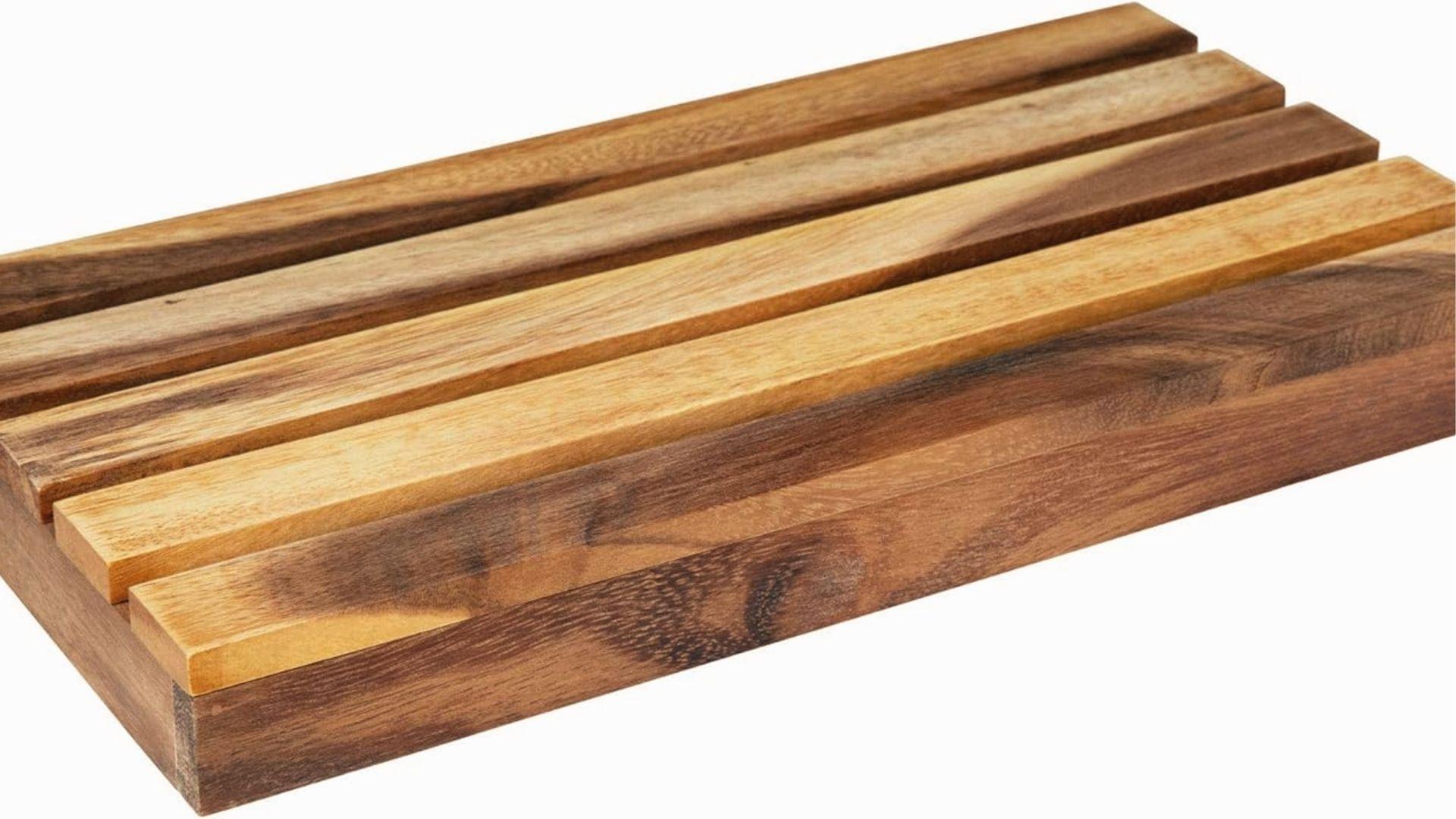
Acacia is dense and durable with a striking natural grain. It handles weight well and is resistant to moisture, making it good for utility closets.
13. Teak
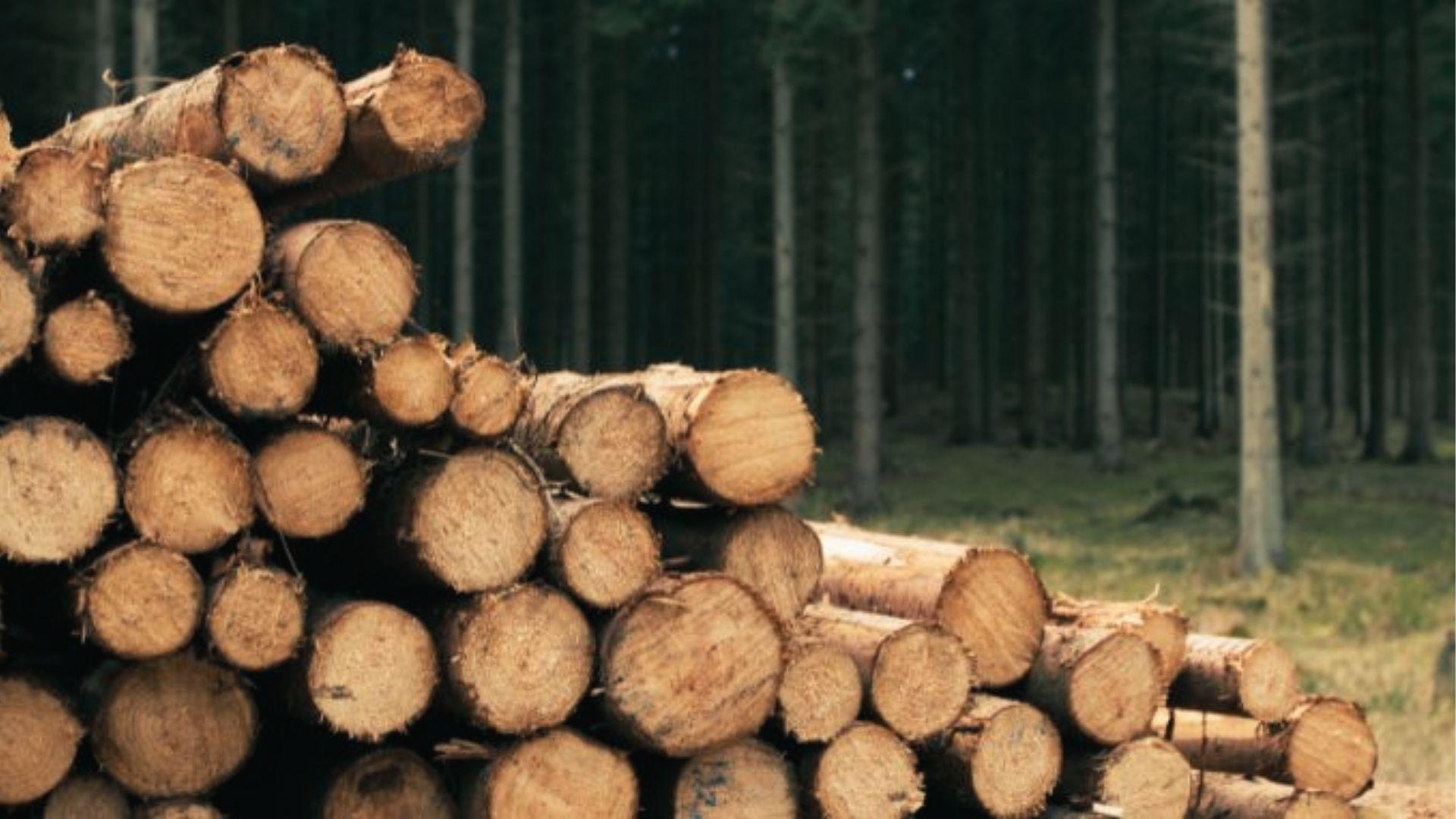
Teak is one of the most moisture-resistant woods available. It is expensive, but it lasts a very long time even in humid environments.
14. Plywood

Plywood is one of the most practical choices for closet shelves. It resists warping, comes in large sheets, and is easy to cut and install. It is the most widely recommended option for DIY shelving.
15. MDF

MDF has a smooth surface and takes paint very well. However, it is heavy and does not handle moisture. Use it only in dry closets where looks matter more than strength.
16. Melamine
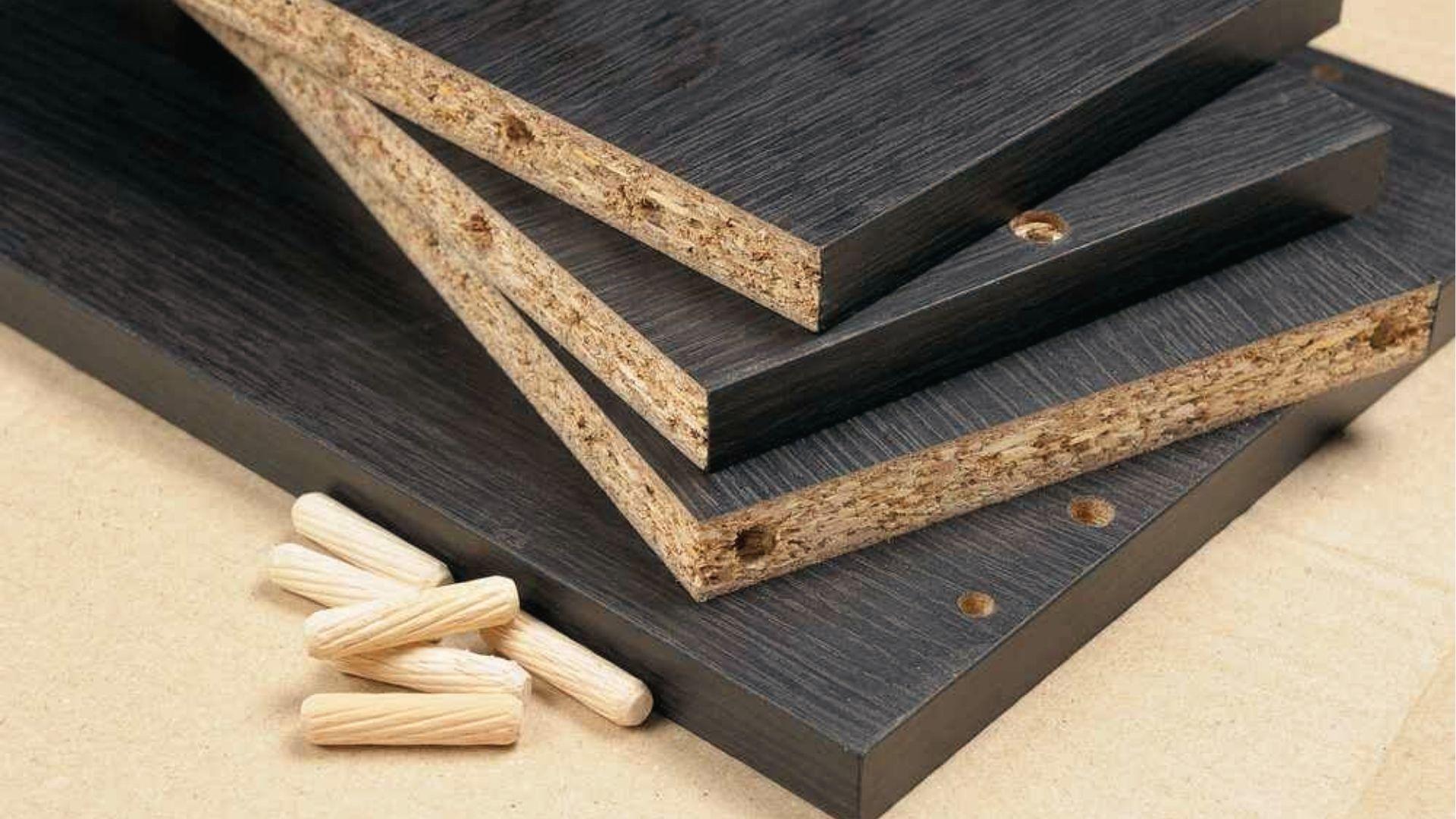
Melamine is MDF or particle board with a plastic coating. It is easy to clean and looks clean in modern closets. It is not the strongest, but it works well for light storage.
17. Particle Board
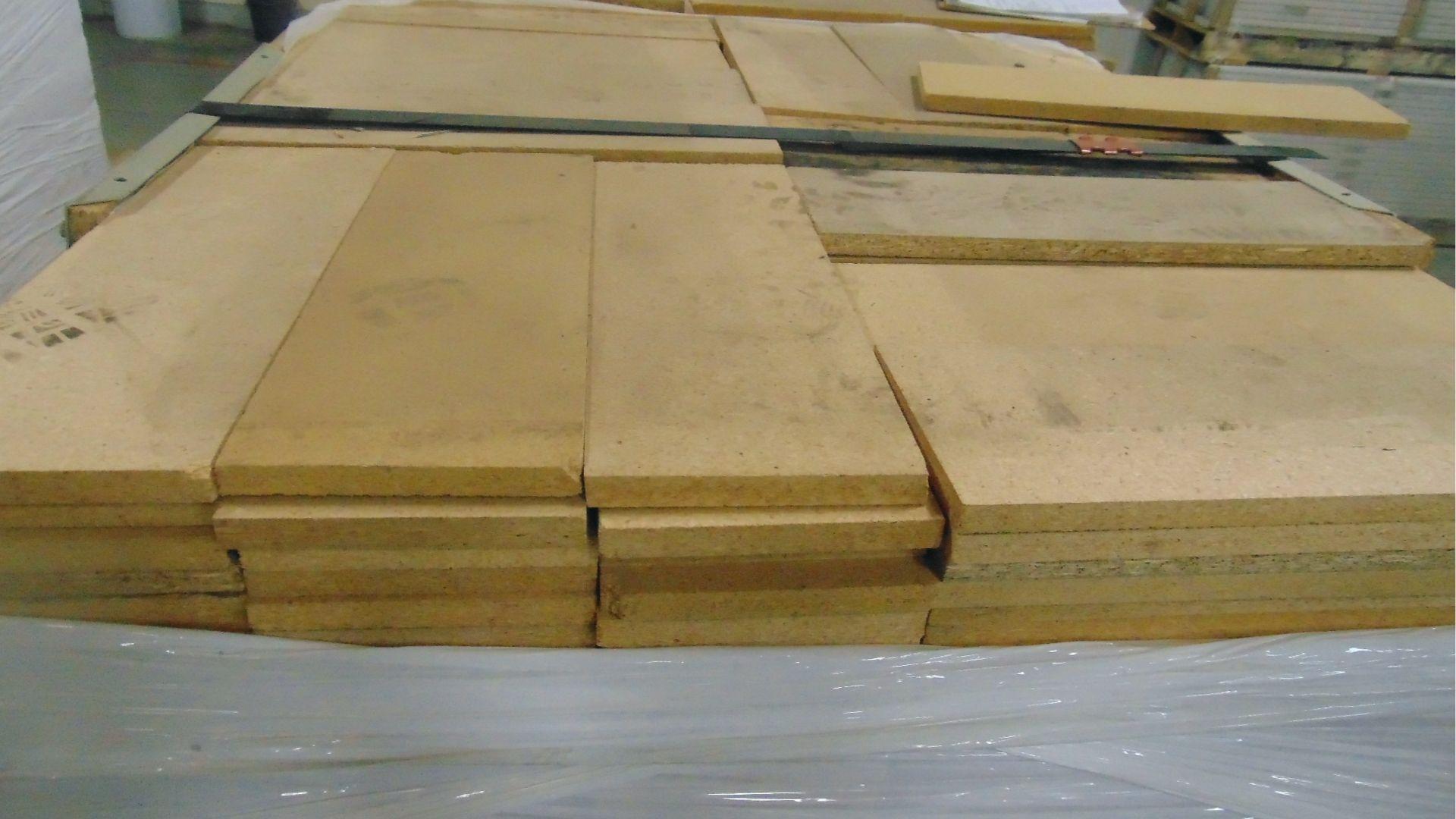
Particle board is the most affordable option but also the weakest. It sags under heavy loads and breaks down with moisture. Use it only for very light-duty storage in dry areas.
Common Closet Shelf Mistakes to Avoid
Avoiding these errors will save you time, money, and frustration down the road.
- Avoid pine or particle board for closets holding heavy shoes, books, or storage bins.
- Always add a center bracket for shelves longer than 32 inches or they will sag over time.
- Never use MDF in humid spaces like bathrooms or basements as it swells and breaks down.
- Seal or finish your shelves before loading them to protect against moisture and scratches.
- Match your wood strength to what you plan to store; not every wood handles heavy loads.
How to Choose the Best Wood for Closet Shelves

The right pick depends on your load, space, and budget. Here is how to decide.
Shelf Thickness and Weight Capacity
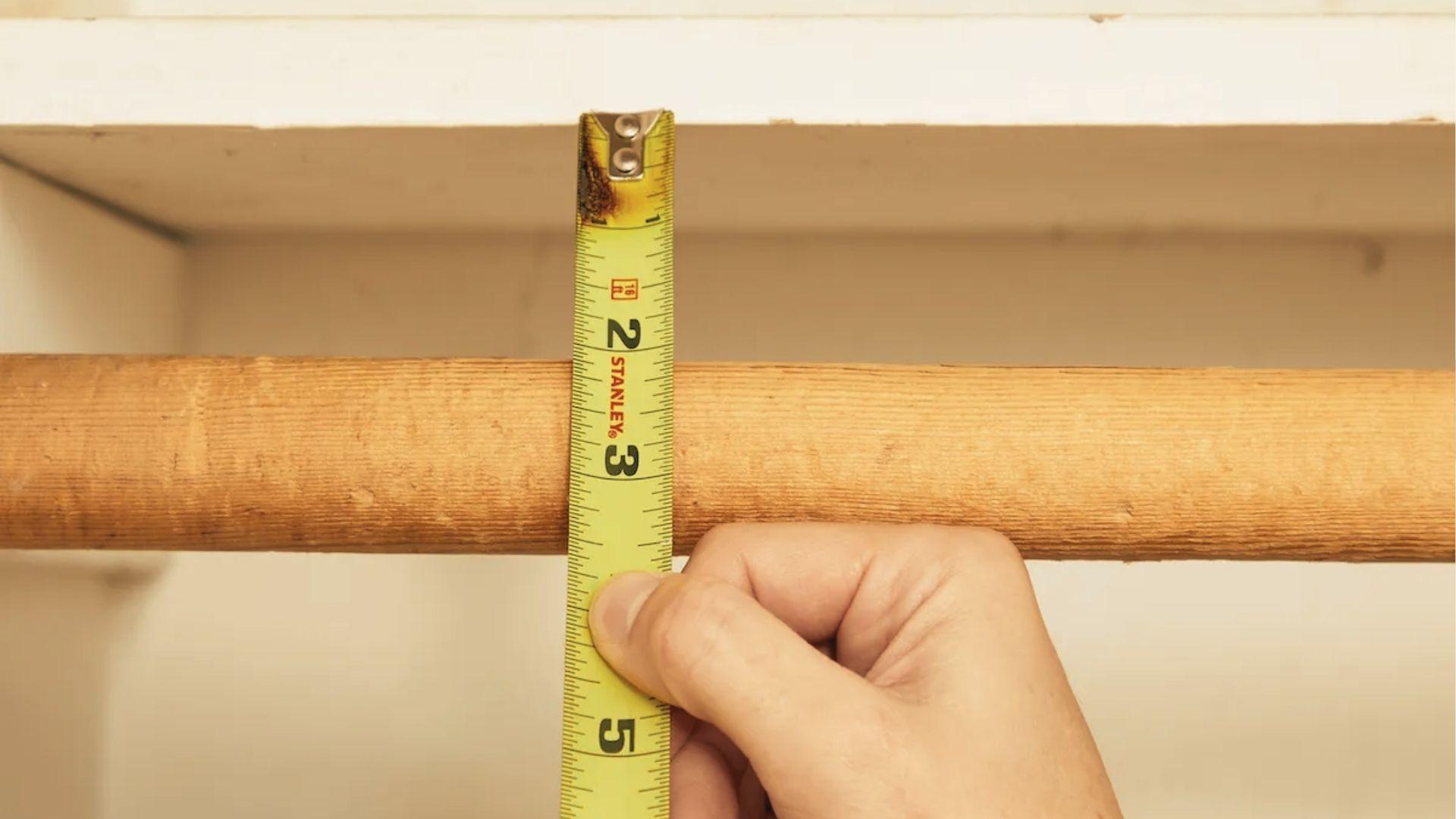
For most closets, 3/4 inch thickness is the standard. For spans longer than 36 inches or heavy loads, go with 1 inch or add a center support. Thinner shelves flex and sag over time.
Moisture and Humidity Resistance
Check your closet's environment first. Basements, bathrooms, and laundry areas need moisture-resistant wood.
Stick to cedar, teak, redwood, or exterior-grade plywood in these spots.
Shelf Span and Support Requirements
Long shelves need more support. A shelf spanning more than 32 inches should have a bracket or support in the middle. Even the strongest wood will sag without proper support underneath.
Budget vs Long-Term Durability
Hardwoods cost more upfront but last longer. Plywood is the best value for most people.
MDF and particle board are the cheapest but need replacing sooner. Invest more if the shelves will carry heavy or frequent use.
Best Finishes for Wooden Closet Shelves
A good finish protects wood from scratches, moisture, and wear. Polyurethane is a top choice for durability.
Paint works well on birch, poplar, and MDF. Oil finishes look great on walnut and cherry but need reapplication over time.
Expert Tips for Long-Lasting Closet Shelves
Small habits and smart choices keep your shelves strong for years.
- Use 3/4 inch thick plywood or hardwood for any shelf spanning more than 24 inches to prevent sagging.
- Place brackets no more than 24 inches apart and always anchor them into wall studs, not just drywall.
- For heavy loads, moving brackets closer every 16 to 18 inches works best.
- Wipe shelves every few months and reapply finish or sealant every one to two years to keep wood in good shape.
- DIY works well for most single-closet projects, but hire a professional for full walk-in systems with custom cuts and heavy hardware.
Conclusion
I know how overwhelming it can feel to stand in the lumber aisle trying to pick the right wood. I have been there too.
The good news is there is no single perfect answer, just the right wood for your space, budget, and needs.
Start with plywood or white oak if you are not sure. They work in almost every situation. If you have a specific concern like moisture or heavy loads, refer back to this guide.
Drop a comment below and let me know which wood you are going with. I would love to help!
Frequently Asked Questions
What is the best wood for closet shelves?
Plywood and white oak are two of the best overall choices. Plywood offers great value and strength, while white oak is perfect for those who want a solid hardwood that lasts.
Which wood is strongest for closet shelving?
Hard maple and hickory are among the hardest domestic woods. They handle heavy loads well and resist denting, making them great for storage-heavy closets.
Is plywood better than solid wood for shelves?
For most home closets, plywood is a better practical choice. It resists warping, is easier to work with, and costs less. Solid wood is better for high-end or very heavy-duty applications.
What thickness should closet shelves be?
Most closet shelves should be 3/4 inch thick. For shelves carrying heavy items or spanning more than 32 inches, use 1 inch thick material or add a center support.
How do you stop closet shelves from sagging?
Use thick enough wood, add center brackets, and avoid overloading shelves. Choosing a strong wood like maple or plywood over particle board also helps a lot.