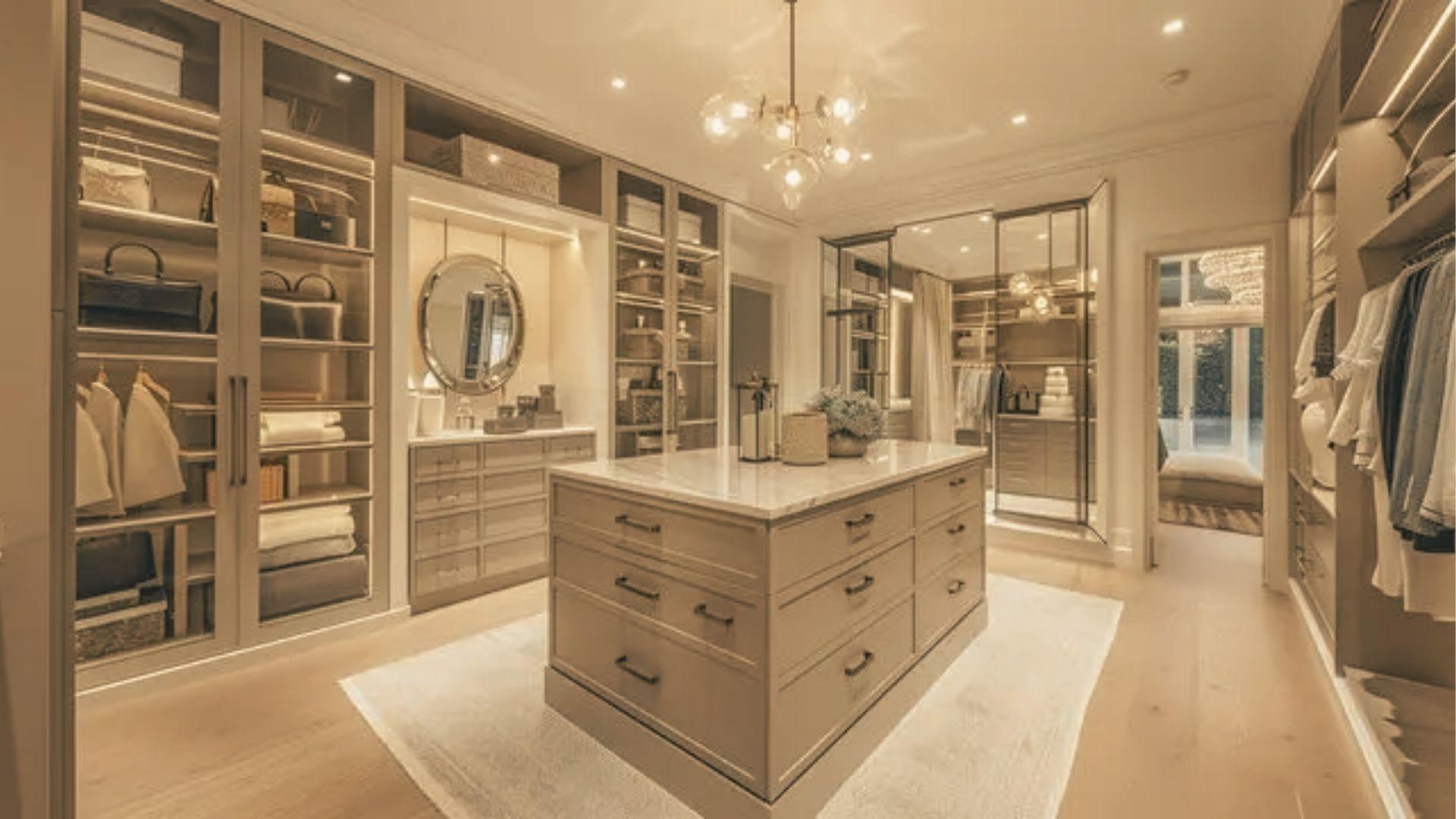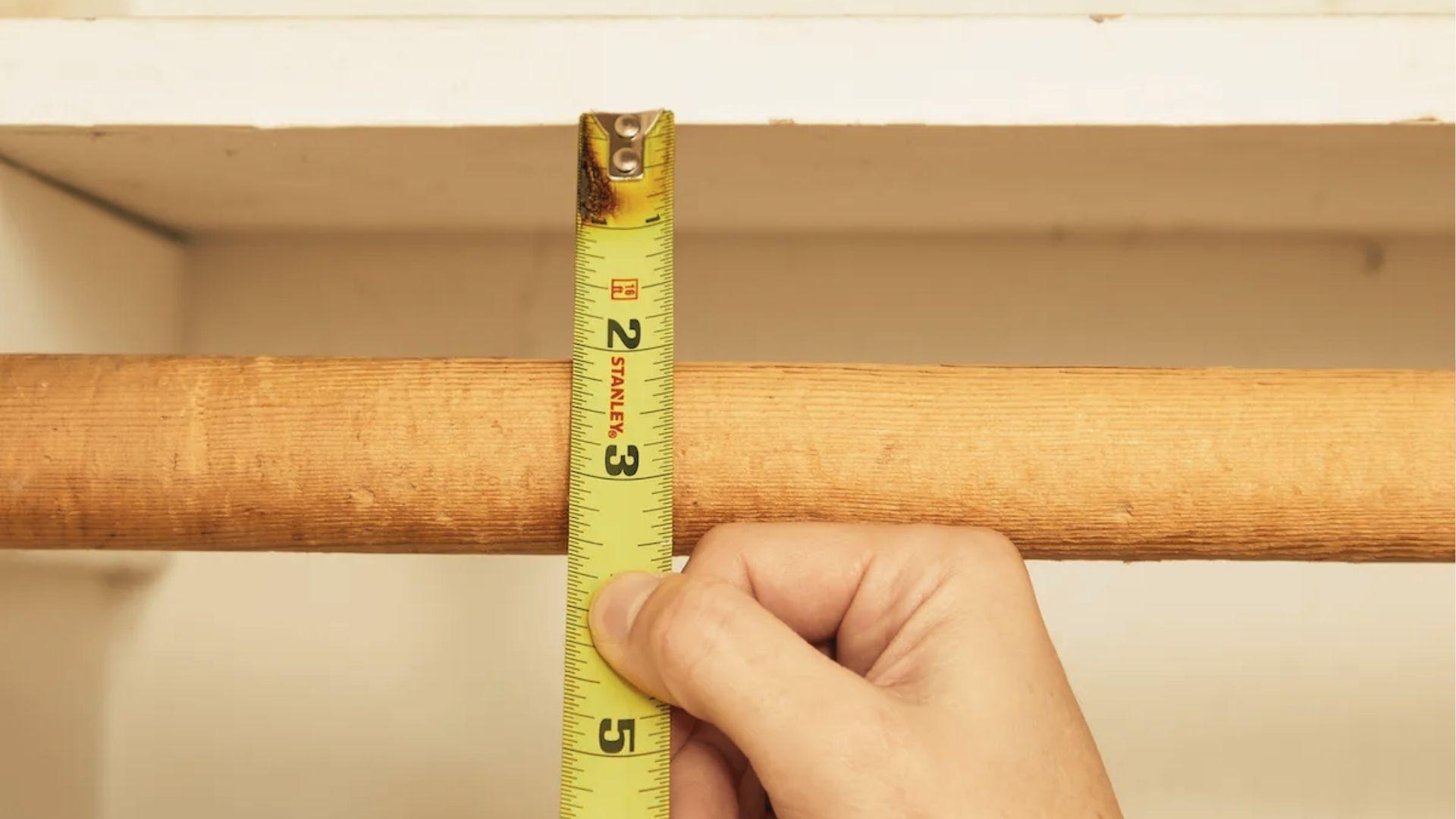
Getting your closet shelves at the right height can change everything. I've seen people struggle with shelves that are too high to reach or too low to fit anything useful. It's frustrating, and it wastes space.
This article covers everything you need to know about closet shelf height. From standard measurements to shelf heights for different closet types, I'll walk you through it all.
With years of home organization experience, I'll help you set up shelves that actually work for your space and your life.
Why Closet Shelf Height Matters
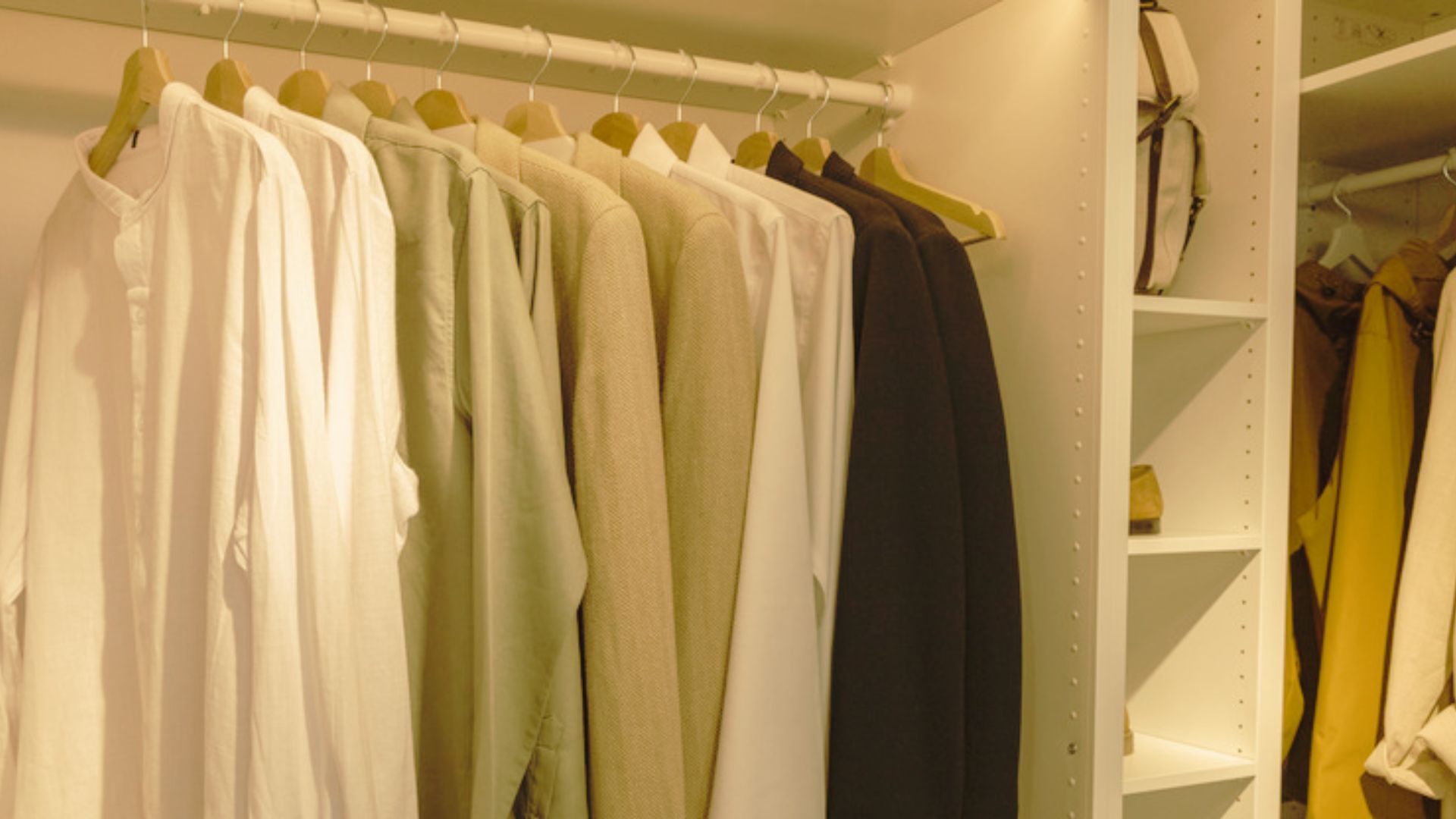
Shelf height affects how easy your closet is to use every single day. When shelves sit at the right height, everything has a place. You can see your items clearly and reach them without stretching.
Poor shelf placement causes real problems. Shelves too high mean you need a step stool for basic items. Shelves too low waste the space above them. You also risk clothes falling, boxes stacking unsafely, and floor space going to waste.
Getting it right helps you:
- Group similar items together
- Keep folded clothes neat and accessible
- Use vertical space from floor to ceiling
Most people only use the bottom half of their closet. That top section is often completely wasted. When you use vertical space well, you can double your storage without changing the size of your closet at all.
What Is the Standard Closet Shelf Height?
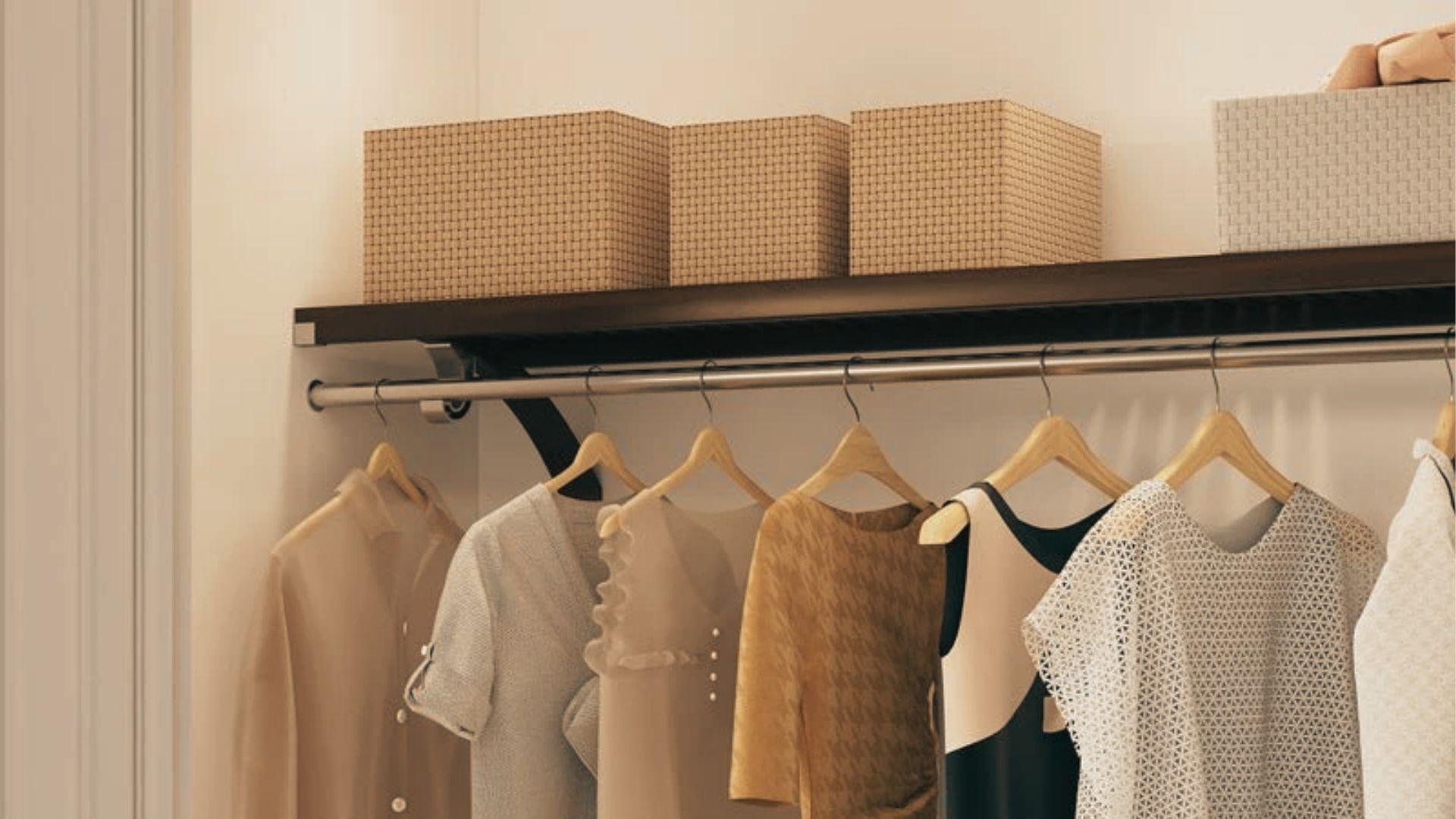
Standard measurements give you a solid starting point before you customize for your needs.
Average Closet Shelf Height Measurements
Most closet shelves start around 84 inches from the floor at the top and have shelves spaced 12 to 16 inches apart. This allows for multiple shelves in a standard 8-foot closet.
For a typical reach-in closet, a single shelf is usually placed at 68 to 72 inches from the floor. This works well for most adults of average height.
Standard Top Shelf Height
The top shelf in most closets sits between 84 and 87 inches from the floor. This works for storing items you don't use often, like extra blankets or seasonal gear.
If your ceiling is higher than 8 feet, you can add another shelf above this point. Just make sure you can still reach it safely, with or without a step stool.
Recommended Shelf Depth and Spacing
Shelf depth matters just as much as height.
Here are general guidelines:
| Shelf Use | Recommended Depth | Spacing Between Shelves |
|---|---|---|
| Folded clothes | 12 to 14 inches | 12 to 16 inches |
| Shoes | 10 to 12 inches | 6 to 8 inches |
| Bins or boxes | 14 to 16 inches | 12 to 18 inches |
| Hanging clothes | 12 to 14 inches | Based on rod height |
These numbers are starting points. Adjust based on what you store.
Recommended Closet Shelf Height by Storage Type
Different items need different amounts of space. Here is how to plan shelf height based on what you are storing.
Shelf Height for Folded Clothes
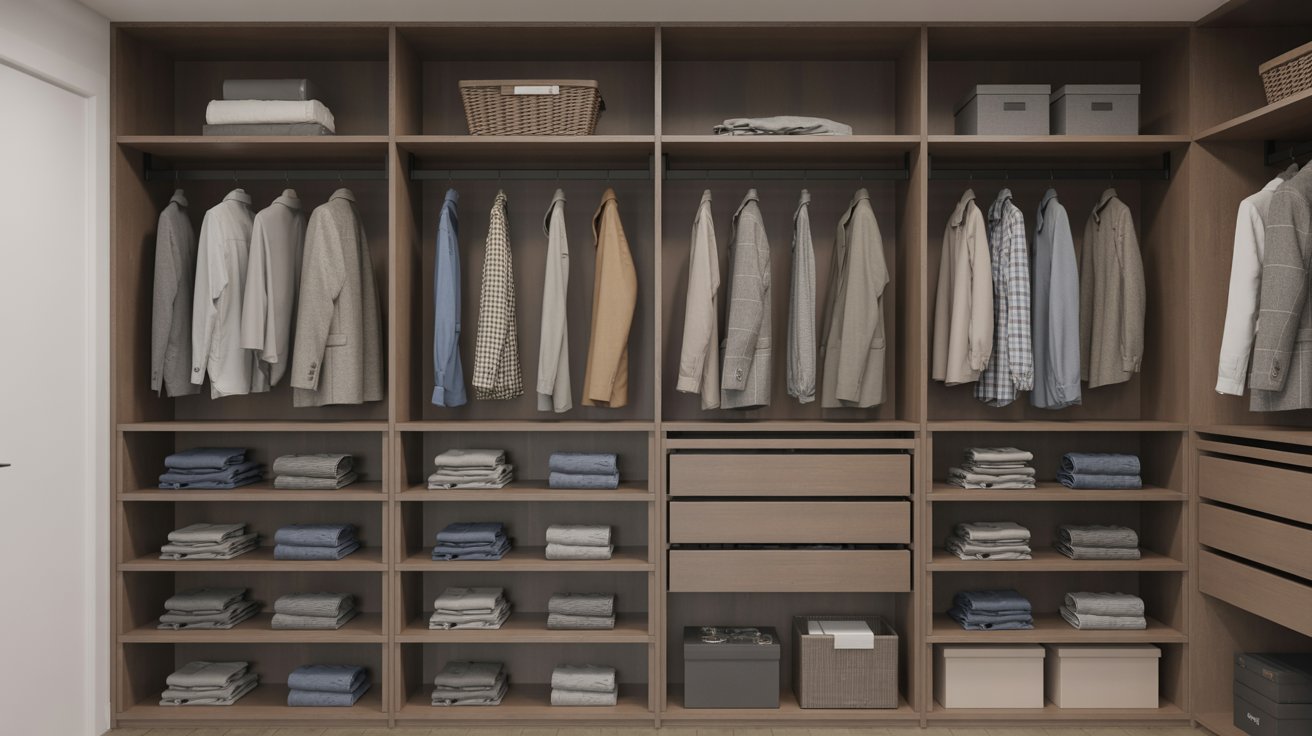
Folded clothes need shelves spaced about 12 to 16 inches apart. This gives enough room for stacks of shirts, jeans, or sweaters without overcrowding.
Place folded clothing shelves between 40 and 72 inches from the floor. This keeps them at a comfortable reach for most people. The bottom shelf should be high enough to leave some space underneath for shoes or small bins.
Shelf Height for Shoes and Boots
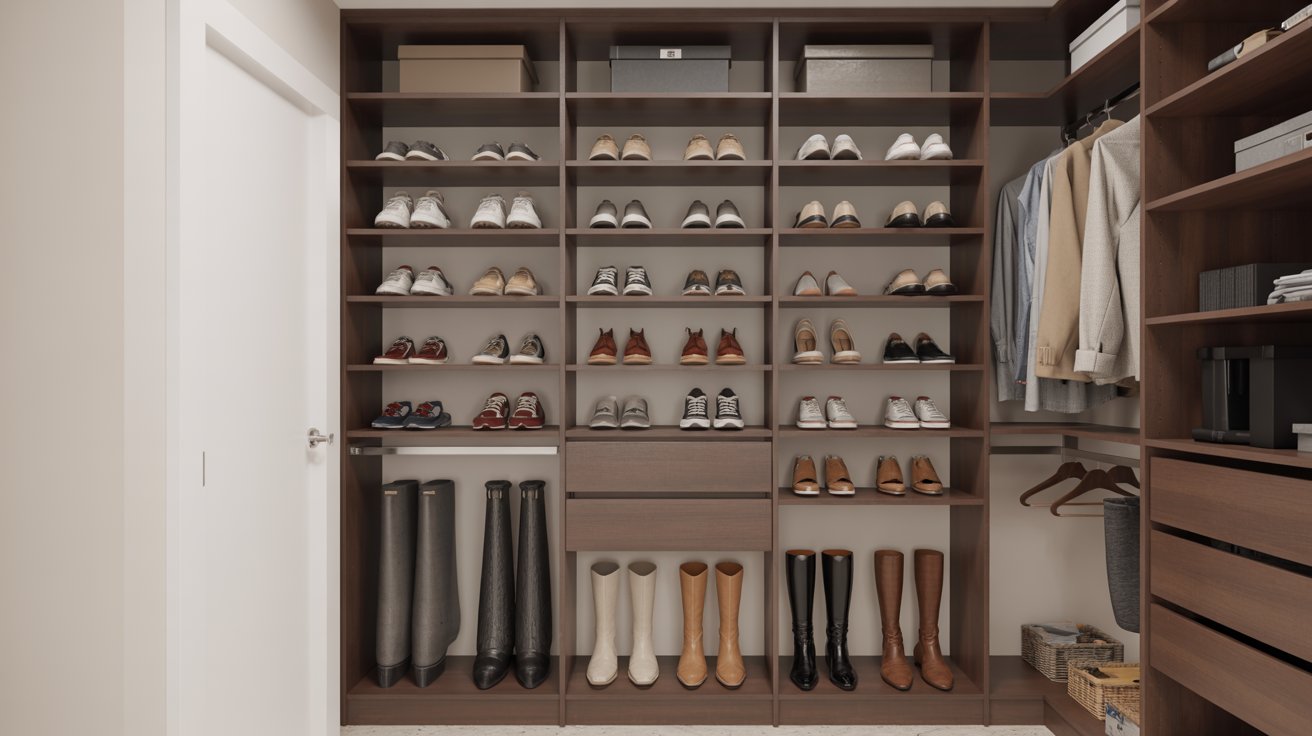
Shoes need about 6 to 8 inches of vertical clearance per shelf. That means shelves for shoes should be spaced closer together than those for clothing.
For boots, you need at least 12 to 14 inches of clearance. Store boots on a lower shelf or on the floor to keep them upright.
A shoe shelf that starts about 6 to 8 inches off the ground works well. It keeps shoes off the floor but still easy to grab.
Shelf Height for Bags and Accessories
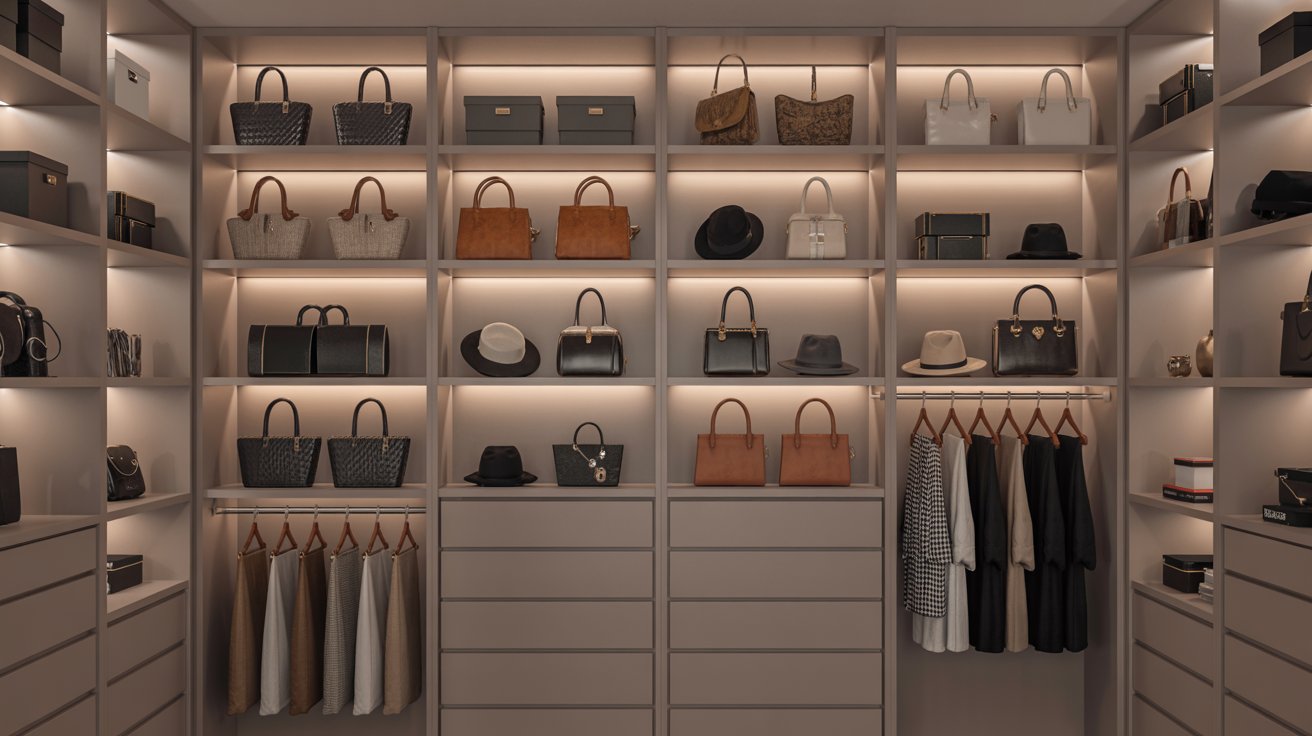
Bags and purses need more vertical room. Space these shelves about 10 to 14 inches apart, depending on bag size.
Handbags and totes do well on shelves placed between 54 and 72 inches from the floor. Smaller accessories like hats or belts can go on narrower shelves placed higher up.
If you hang bags from hooks, place those hooks between 60 and 72 inches from the floor for easy access.
Shelf Height for Storage Bins and Seasonal Items
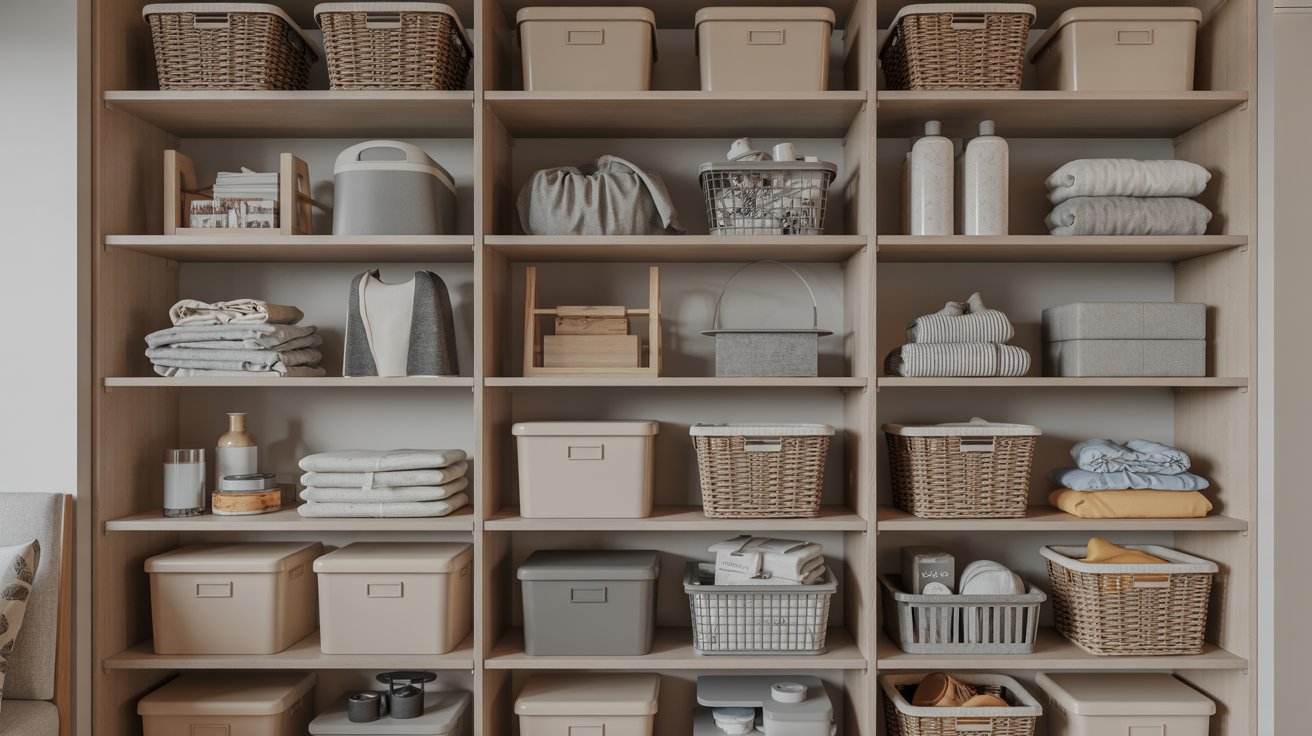
Storage bins vary a lot in size. Most standard bins need about 12 to 18 inches of clearance.
Place seasonal item shelves near the top of the closet, starting around 72 to 84 inches from the floor. Since you don't need these items daily, higher placement makes sense.
Make sure heavier bins go on lower shelves. Reaching up for something heavy is a safety risk.
Closet Shelf Height for Different Closet Types
Every closet type has its own layout needs. Here is what works best for each one.
Reach-In Closet Shelf Height
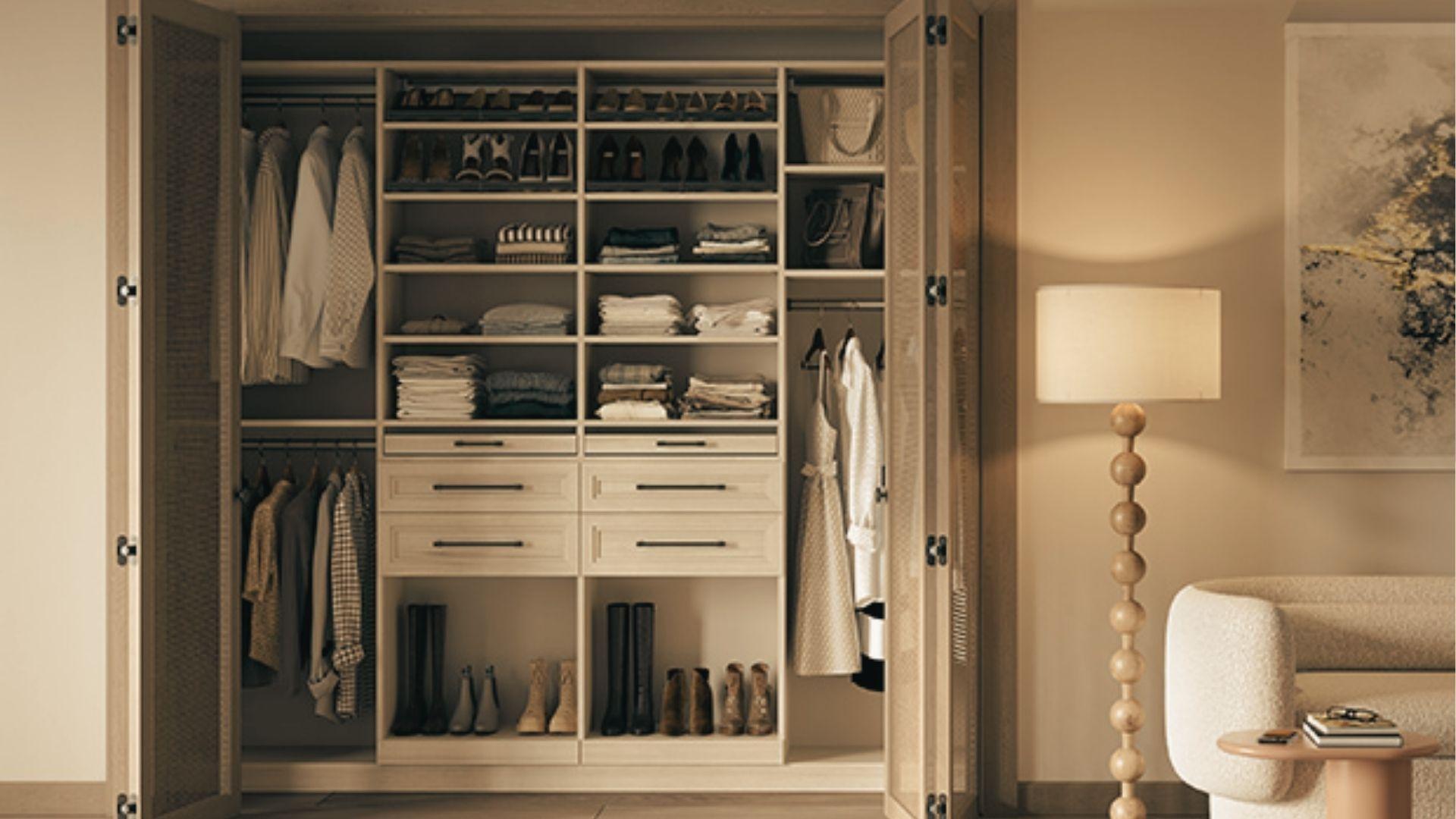
A reach-in closet is usually 24 inches deep and anywhere from 36 to 72 inches wide. Space is tight, so planning matters.
Standard shelf placement for a reach-in closet:
- Single hanging rod at 68 to 72 inches
- Top shelf at 84 inches
- Shoe shelf or small shelves below the hanging area
If you skip the hanging rod and go all shelves, space them 12 to 16 inches apart from floor to ceiling.
Walk-In Closet Shelf Height
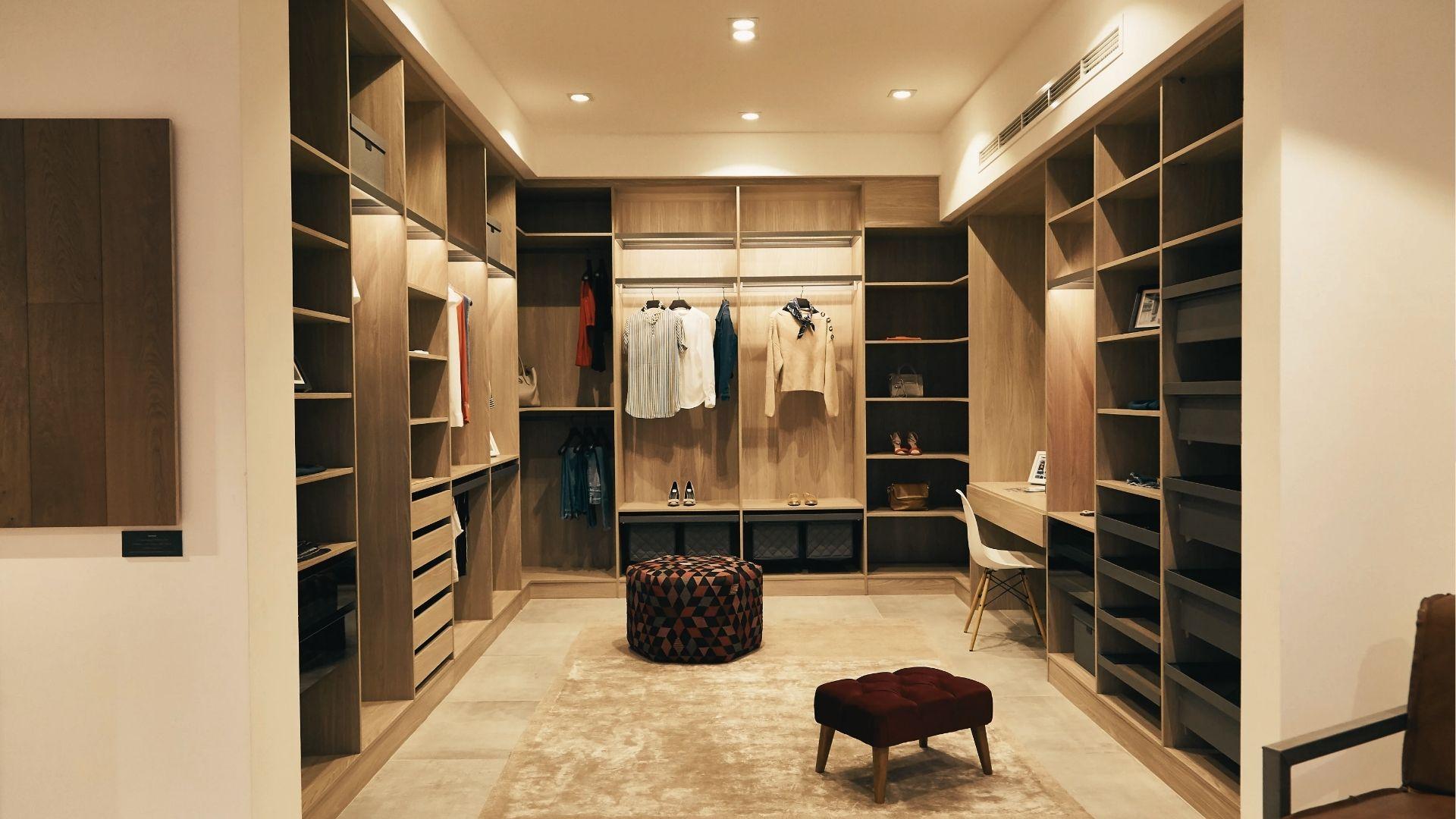
Walk-in closets offer more room, which means more options. You can create dedicated zones for hanging, folding, shoes, and accessories.
Recommended heights for a walk-in closet:
- Eye-level shelves at 54 to 66 inches (easy daily access)
- Top shelves at 84 to 90 inches (seasonal storage)
- Lower shelves starting at 6 to 12 inches from the floor
Use wall space wisely. Line all three sides with shelving where possible.
Kids' Closet Shelf Height
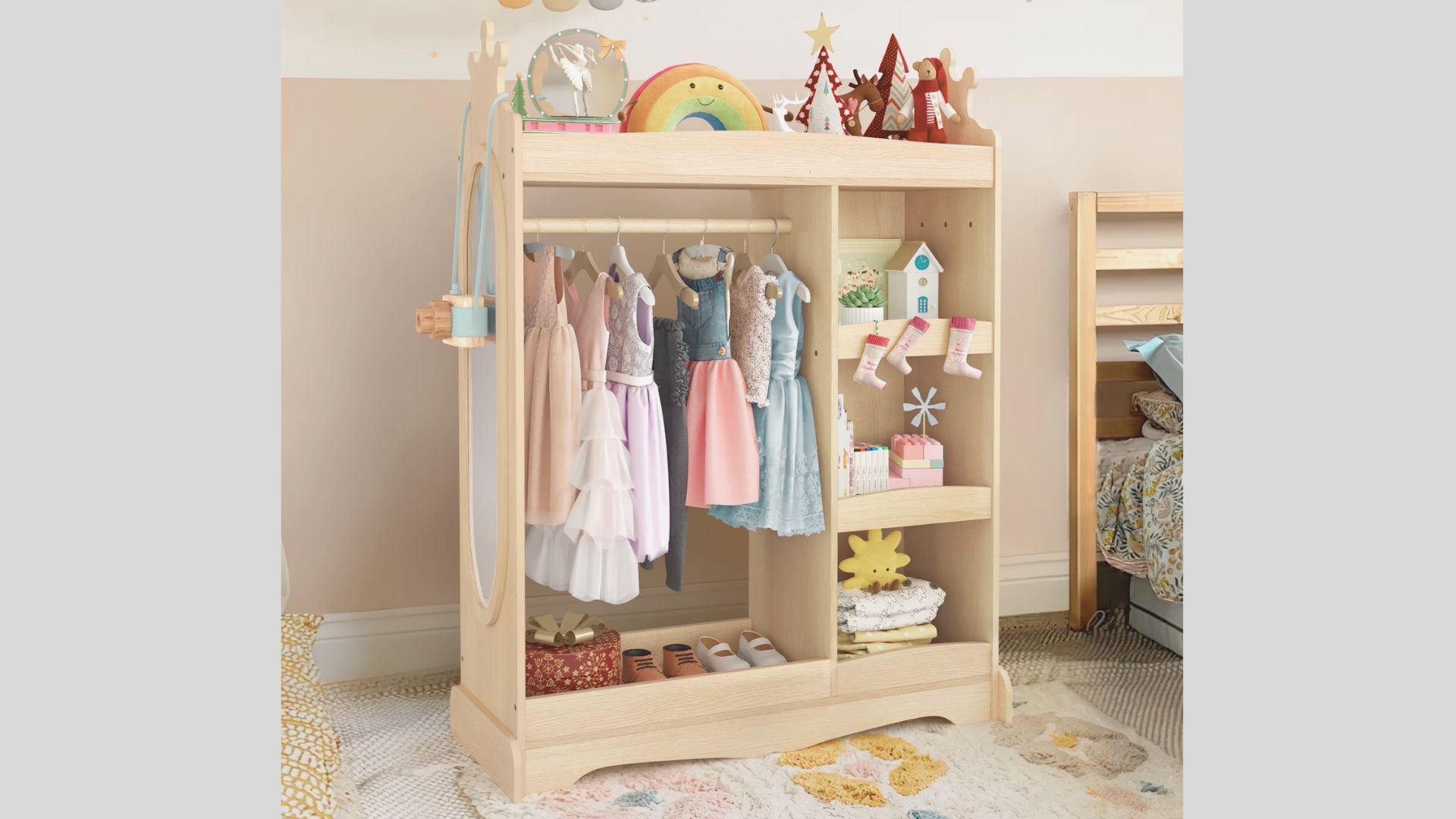
Kids' closets need shelves lower than adult closets. Children should be able to reach their own stuff independently.
For young children (ages 3 to 8):
- Hanging rod at 36 to 48 inches
- Lower shelves starting at 12 inches from the floor
- Top shelf no higher than 54 inches
For older kids and teens:
- Hanging rod at 60 to 66 inches
- Shelves spaced similarly to an adult closet
As kids grow, adjust the shelf and rod heights. Many kids' closet systems are designed to be repositioned over time.
Coat and Entry Closet Shelf Height
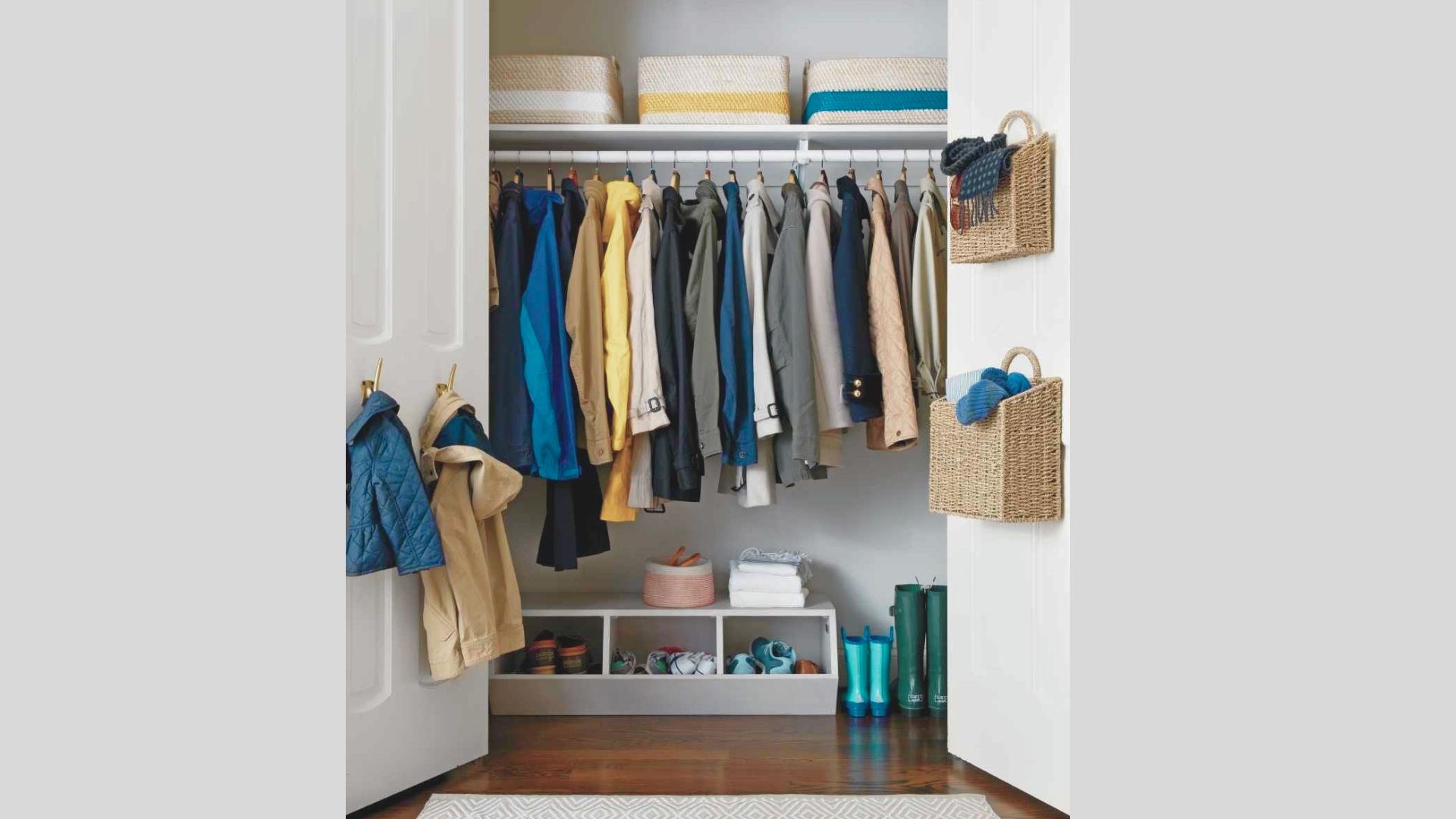
Entry and coat closets serve a different purpose. They need to hold bulky items like coats, boots, bags, and sometimes sports gear.
For a coat closet:
- Single hanging rod at 70 to 72 inches (coats are long)
- Top shelf at 84 inches for hats or bags
- Floor space for boots and shoes
Avoid too many shelves in a coat closet. You need open vertical space for long coats and jackets.
Closet Rod and Shelf Height Guidelines
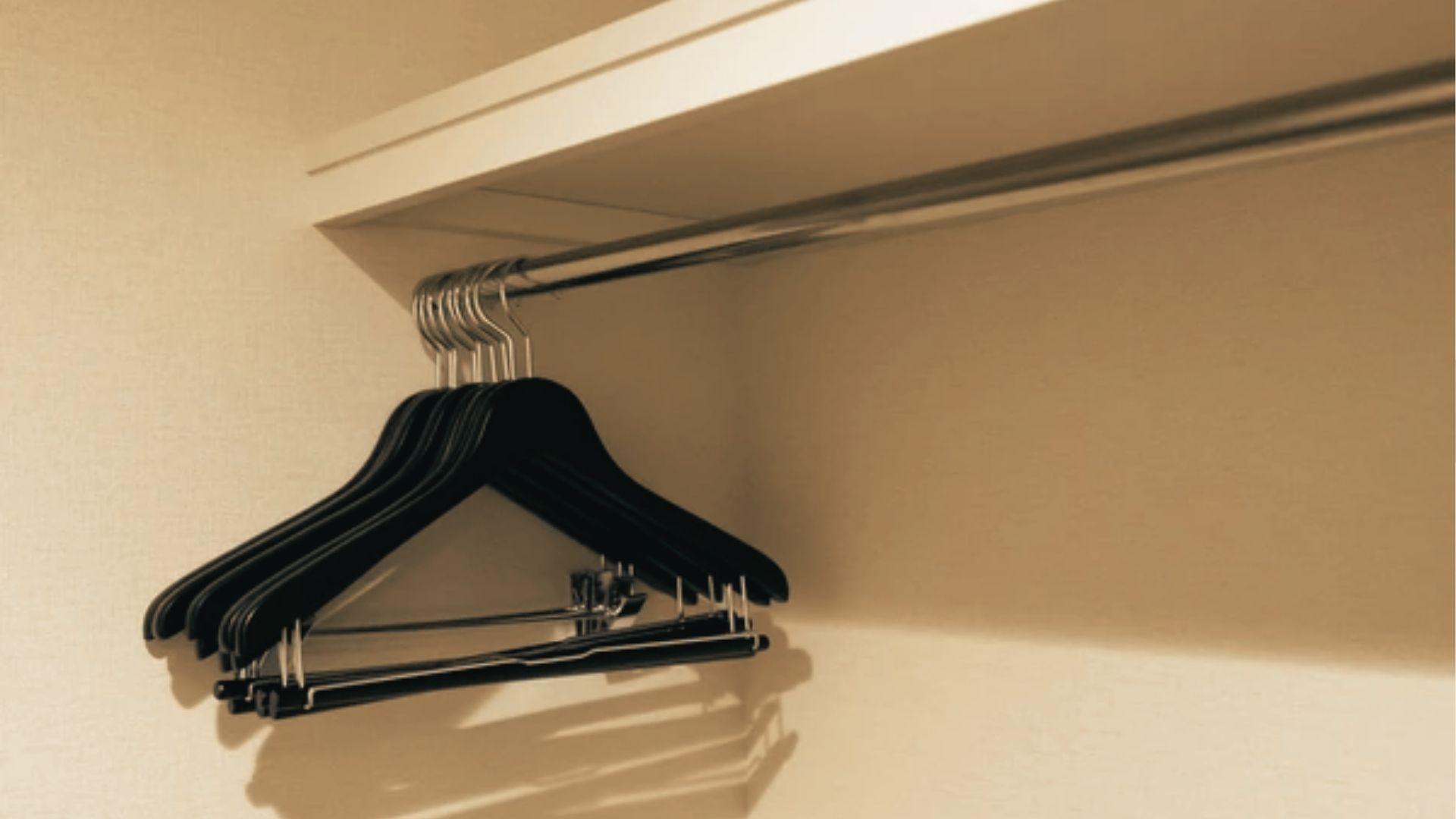
Rods and shelves work together. Getting both right is key to a functional closet.
Standard Single Rod Height
A single hanging rod works best when placed between 66 and 72 inches from the floor. This gives enough clearance for most long items like dresses, coats, and shirts.
Leave at least 12 inches above the rod for a shelf. This keeps items from dragging against the shelf above.
Standard Double Rod Height
Double rods are great for shirts, jackets, and folded pants on hangers. They make better use of vertical space than a single rod setup.
Standard double rod heights:
- Upper rod:80 to 82 inches from the floor
- Lower rod: 40 to 42 inches from the floor
This leaves about 40 inches of hanging space on each rod. Perfect for tops, blazers, and pants.
How Much Space to Leave Above a Closet Rod
Always leave at least 2 to 3 inches of clearance between a rod and the shelf above it. This lets you slide hangers on and off without banging into the shelf.
Ideally, leave 12 inches between the rod and the shelf above. This also gives you space to store folded items or small bins on the shelf without them hanging over.
Factors That Affect Closet Shelf Height
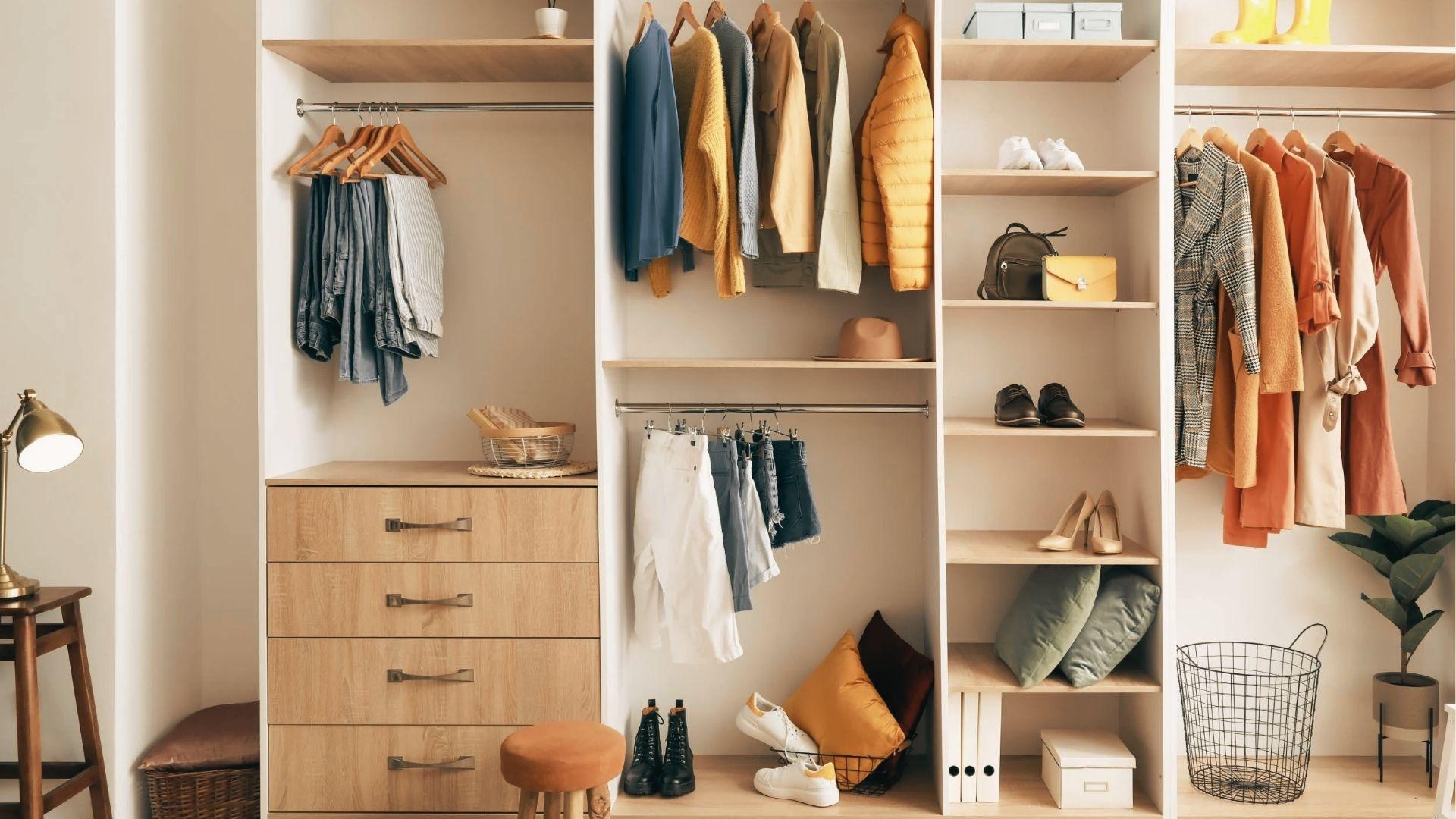
No two closets are exactly alike. Several factors should shape your shelf placement decisions.
User Height and Accessibility
This is the most personal factor. A shelf that works perfectly for a 6-foot person may be impossible for someone who is 5'2".
A good rule of thumb: Place your most-used shelves between shoulder height and hip height. For most adults, that is between 40 and 66 inches from the floor.
If you share a closet with someone of a very different height, aim for a middle ground or create separate shelf zones.
Closet Size and Ceiling Height
A closet with 8-foot ceilings has different options than one with 10-foot ceilings. Higher ceilings mean more vertical space to work with.
For ceilings above 9 feet, add an extra shelf at the very top. Use it for rarely accessed items. A step stool kept nearby makes this practical.
Smaller closets need more careful planning. Every inch counts, so tight shelf spacing (12 inches) works better than wider gaps.
Type and Frequency of Stored Items
Think about what you use every day versus what you use once a year.
Daily items should go on shelves between 30 and 66 inches from the floor. Easy to see, easy to grab.
Seasonal or rarely used items can go above 72 inches. Out of the way, but still accessible.
Heavy items should always go on lower shelves. This keeps the closet safe and reduces the risk of dropping something.
How to Measure Closet Shelf Height Correctly
Measuring correctly saves you from costly mistakes. Take your time with this step.
Tools Needed for Measuring
You don't need much to get started.
Here is what helps:
- Tape measure (at least 10 feet long)
- Pencil for marking walls
- Level to make sure shelves sit straight
- Stud finder if you are mounting shelves into walls
- Notepad or phone to record your measurements
Having these ready before you start saves time and frustration.
Steps to Measure Shelf Placement
Follow these steps for accurate shelf placement:
- Measure the total height of your closet from floor to ceiling
- Decide how many shelves you want and what each will hold
- Mark the height of your highest shelf first (usually 84 inches)
- Work downward, spacing shelves based on what they will hold
- Mark each shelf position with a small pencil line on both side walls
- Use a level to make sure your marks are even across the wall
- Double-check all measurements before cutting or installing anything
Take photos of your marked wall before installing. It helps you keep track of your plan.
Common Measurement Mistakes to Avoid
Even careful people make these mistakes.
Watch out for them:
- Forgetting to measure what you store. Always measure your tallest shoes, longest coats, or biggest bins before setting shelf heights.
- Not accounting for shelf thickness. A 3/4-inch shelf takes up space. Factor that into your spacing.
- Skipping the level check. A shelf that looks straight may not be. Always use a level.
- Measuring only once. Closet walls are not always perfectly square. Measure at least twice before cutting.
Conclusion
I hope this guide helps you set up a closet that actually works for you. I once rearranged my own closet three times before I got the shelf heights right. It made a bigger difference than I expected.
Now it's your turn. Take your measurements, plan your shelves, and build a closet that fits your life.
If this helped you, leave a comment below or share it with someone who could use it. Check out our related posts on closet organization for even more tips.
Frequently Asked Questions
What is the ideal closet shelf height for an average adult?
For most adults, the best shelf height for daily items is between 40 and 66 inches from the floor. This keeps things within comfortable reach without stretching or bending.
How far apart should closet shelves be spaced?
Most closet shelves work well with 12 to 16 inches of spacing. Adjust based on what you store. Shoes need less space; bins and bags need more.
How high should a shelf be above a closet rod?
Leave at least 2 to 3 inches between the rod and the shelf above it. A clearance of 12 inches is even better. This makes it easy to hang and remove clothes.
What is the best shelf height for a kids' closet?
For young children, keep shelves and rods between 36 and 48 inches from the floor. This lets kids reach their own clothes and builds good habits early.
How do I measure closet shelves without making mistakes?
Always measure twice, use a level, and account for shelf thickness. Also measure the actual items you plan to store before deciding on shelf spacing.