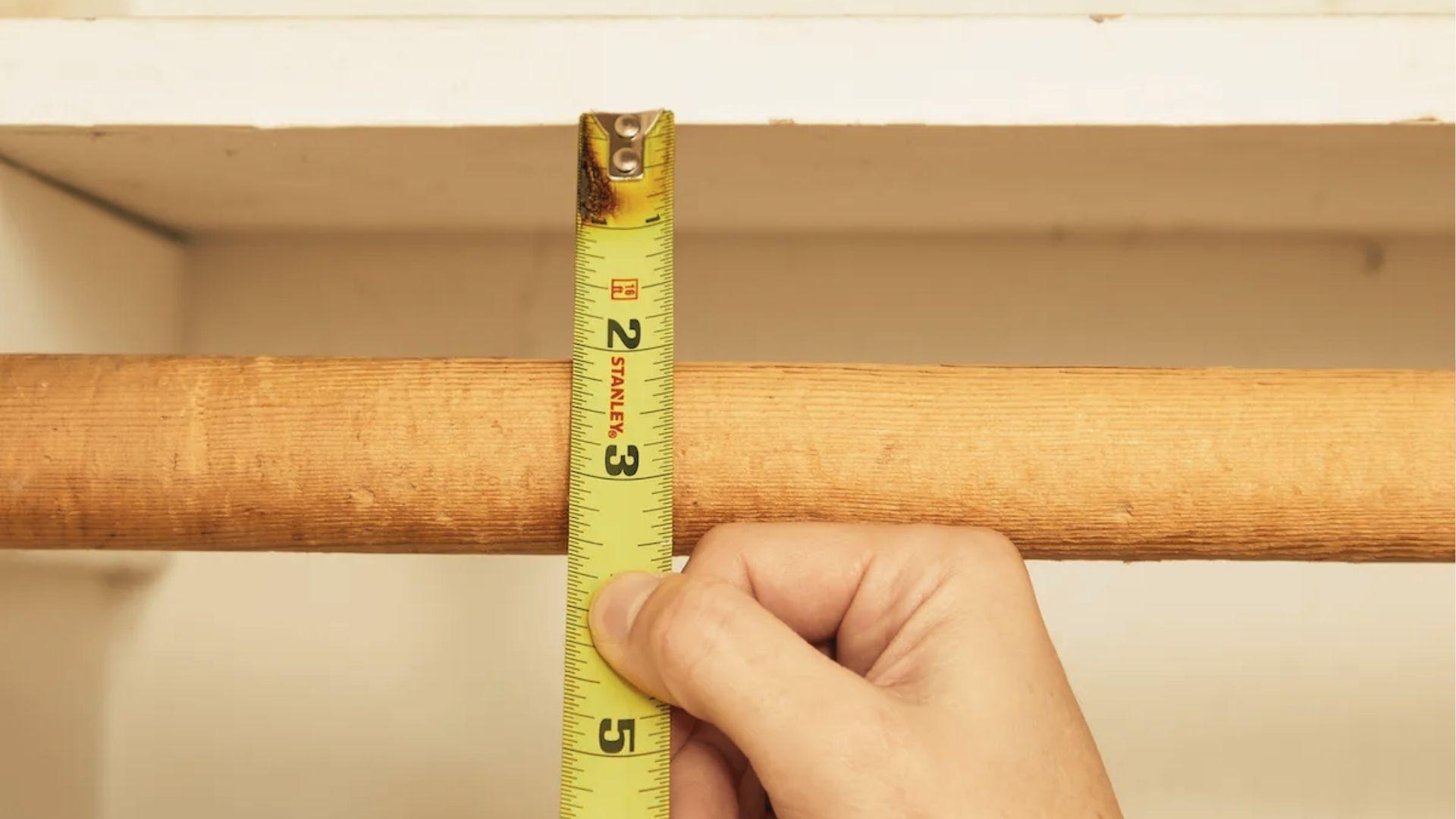
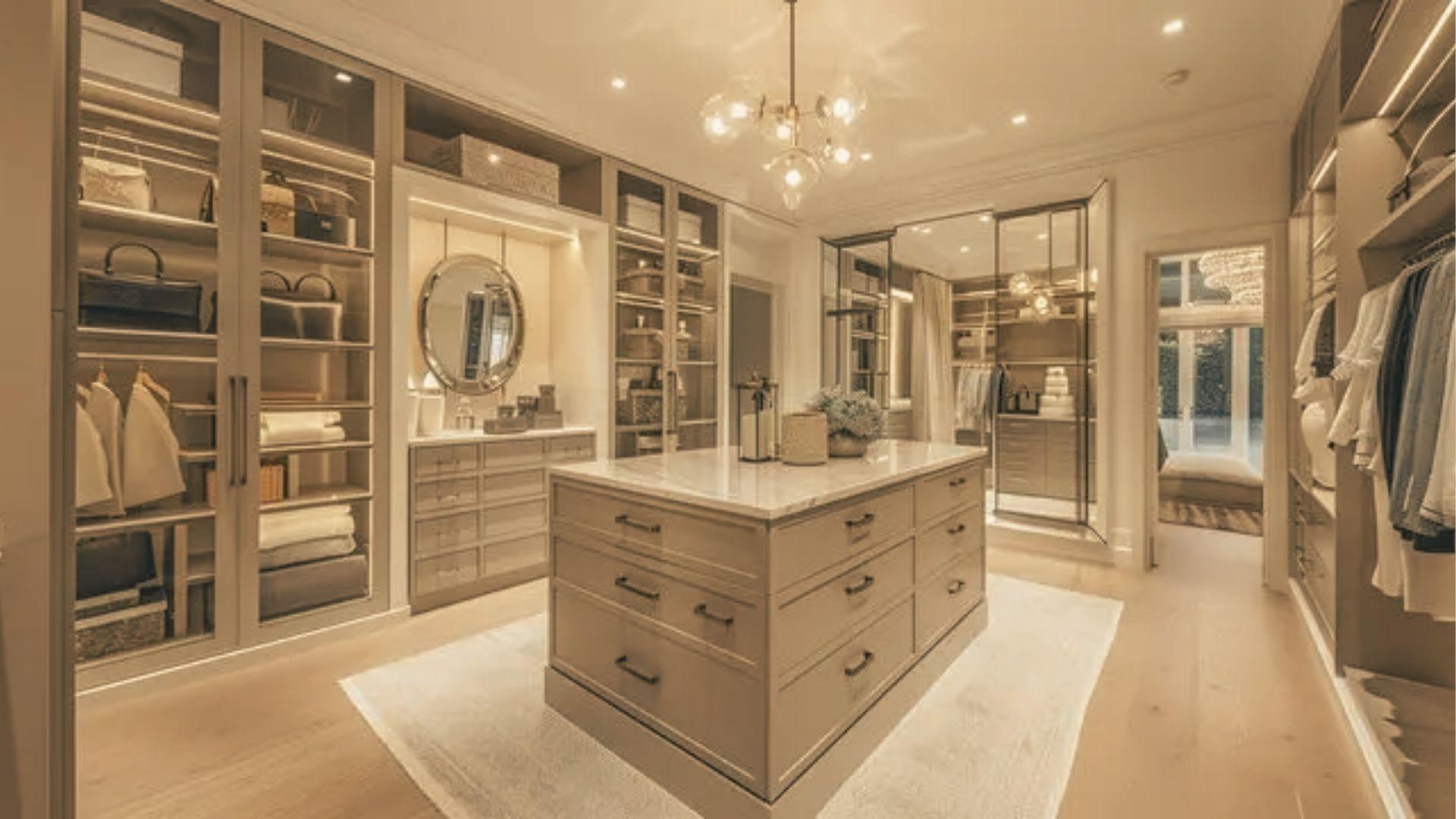
Choosing the right storage furniture can feel overwhelming. This guide covers everything about wardrobes and armoires, from their history to the differences between them, types available, and how to pick the right one for your home.
I have spent years helping people set up functional bedrooms, and I know how confusing furniture shopping can get.
Here, you will find clear answers. No complicated terms. No fluff. We will cover what a wardrobe and armoire are, the key differences between the two, and which one suits your space and budget.
What Is a Wardrobe?

A wardrobe is one of the most practical pieces of bedroom furniture you can own. It is a tall cabinet, freestanding or built-in, used to store clothes. Inside, you will find hanging rails, shelves, and sometimes drawers.
Its main job is simple:keep your clothes organized and your room tidy. It holds shirts, trousers, dresses, shoes, and accessories all in one place.
Wardrobes are still popular today because many modern homes lack built-in closets. They come in many sizes, fit almost any room, and are easy to move when needed.
The History and Evolution of Wardrobes
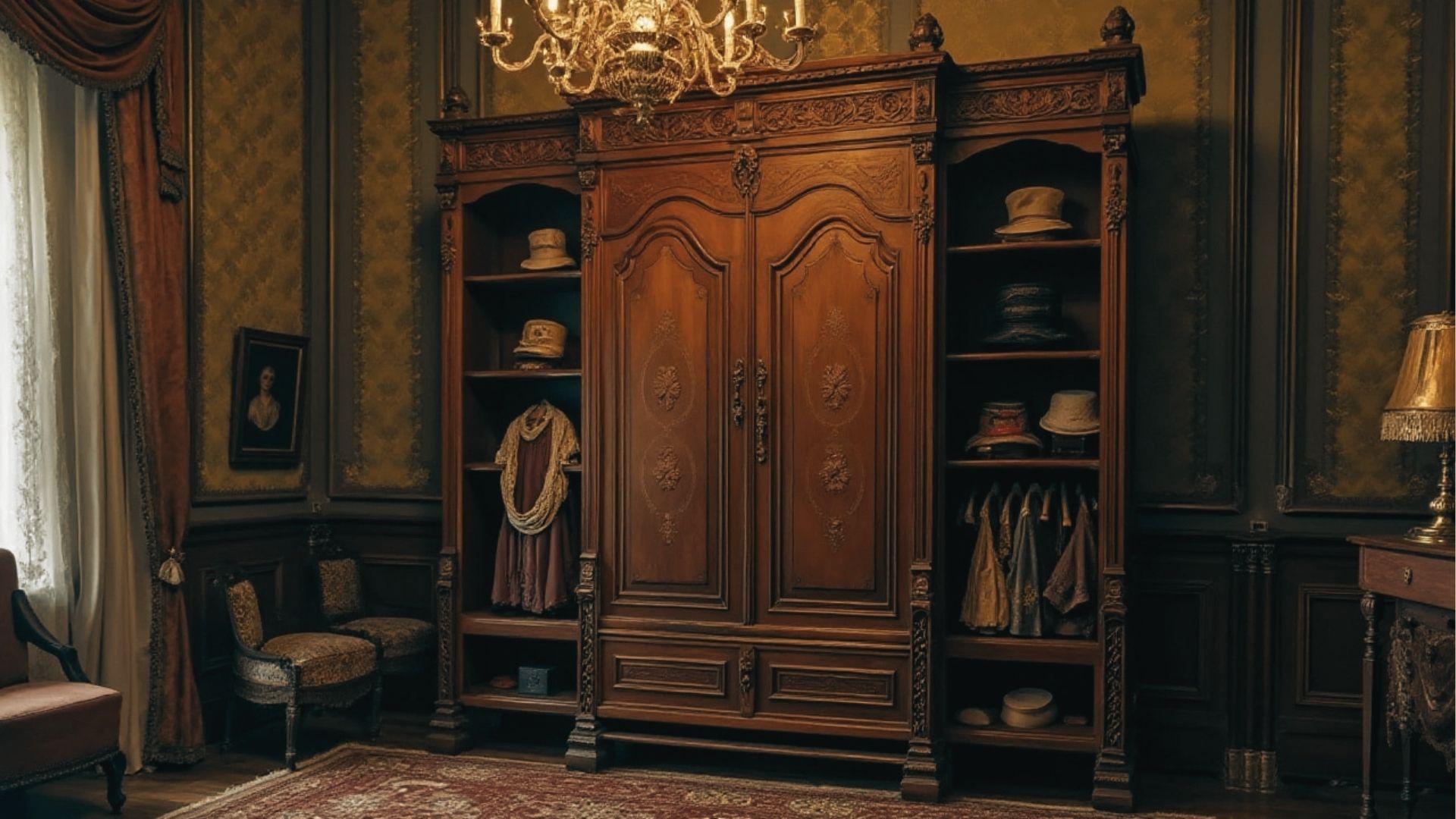
From castle rooms to flat-pack furniture, wardrobes have come a long way over the centuries.
Origin of the Word "Wardrobe"
The word "wardrobe" comes from two old French words:"warder," meaning to guard, and "robe," meaning clothes. So a wardrobe was literally a place to guard your clothing.
The term was used as far back as the 13th century.
Early Wardrobes in Castles and Noble Homes
In medieval times, wardrobes were not just furniture. They were entire rooms in castles dedicated to storing royal garments.
Over time, as households became smaller, the wardrobe shrank from a room into a large wooden chest, and later into the tall cabinet we recognize today.
How Wardrobes Evolved Into Modern Furniture
By the 17th and 18th centuries, wooden wardrobes with carved details became common in wealthy European homes. As manufacturing grew, simpler designs became available to the general public.
The 20th century brought flat-pack wardrobes, making them affordable and accessible to nearly everyone.
The Rise of Sliding Door Wardrobes
Sliding door wardrobes became popular in the late 20th century, especially in smaller apartments and modern homes.
They take up less floor space because the doors do not swing outward. This practical design made them a go-to choice for urban living.
What Is an Armoire?
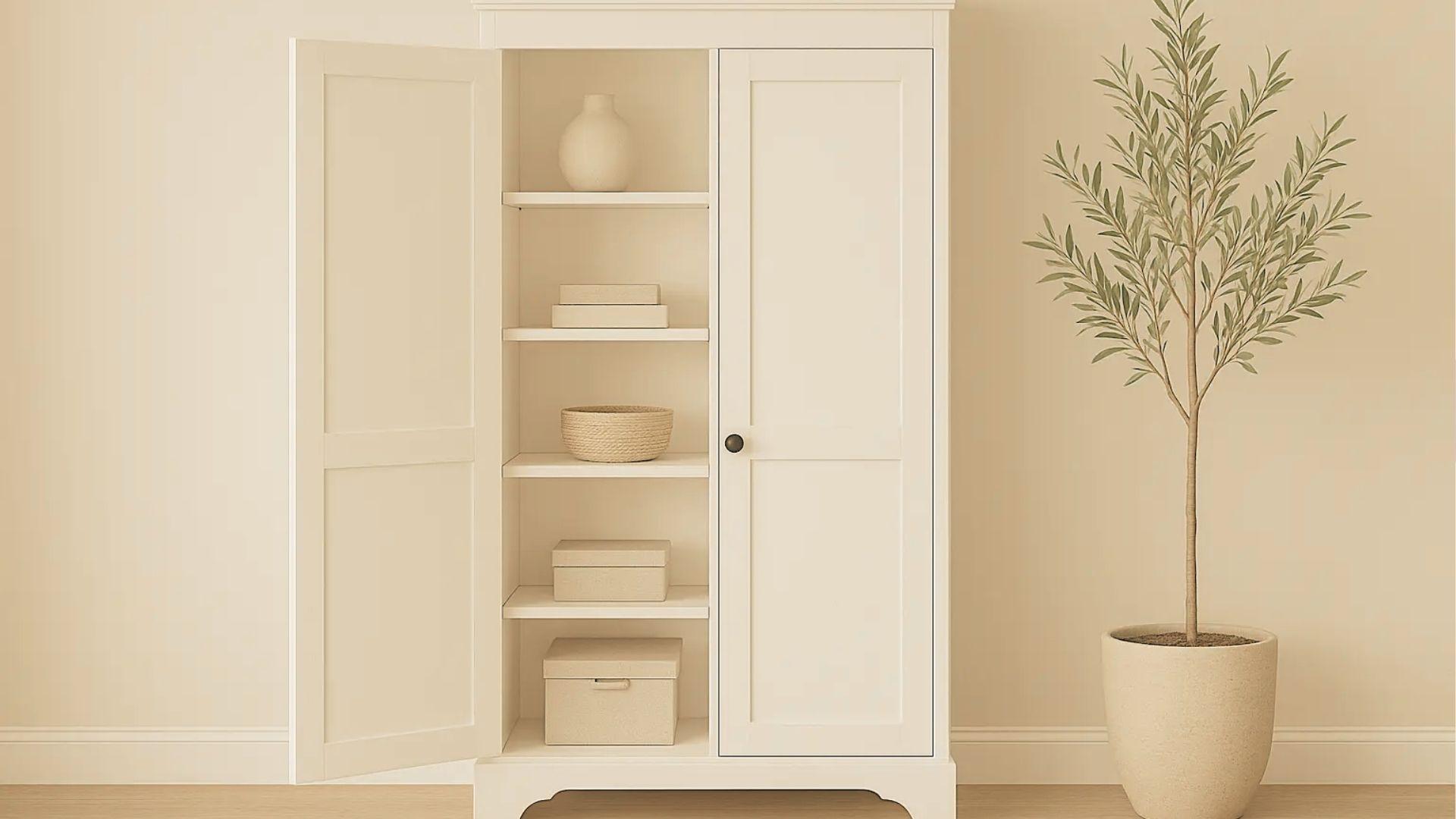
An armoire is a large, freestanding wooden cabinet with two doors, taller than it is wide. It originated in 17th-century France, where it was first used to store weapons and armor, then later clothing and linens.
What makes it stand out is the craftsmanship. Carved panels, decorative moldings, and ornate handles give it a classic look that doubles as a room statement piece.
Today, people use armoires beyond just clothing. Think media centers, bar cabinets, linen storage, or home office organizers. Big doors, solid build, and a timeless look make it a flexible furniture choice.
What Is the Difference Between an Armoire and a Wardrobe?
Both store your belongings, but they are not the same. Here is a quick breakdown of the key differences.
| Feature | Wardrobe | Armoire |
| Size | Wider, fits along a wall | Taller and narrower |
| Style | Clean and modern | Traditional and decorative |
| Material | MDF or engineered wood | Solid hardwood |
| Hanging Space | Full-length rail | Shorter hanging section |
| Shelving | Adjustable shelves and drawers | More shelving for folded items |
| Durability | Moderate | High |
| Price | Budget-friendly | Costs more |
| Best For | Modern, small bedrooms | Large, traditional rooms |
A wardrobe is the practical everyday choice. An armoire is the long-term investment with a classic look.
Armoire vs Wardrobe: Which One Is Better for Your Home?

Both have their place. The right choice depends on your room size, budget, and storage needs.
For small bedrooms, a wardrobe works better. It fits along a wall, offers more hanging space, and sliding door options save even more room. In a larger room, an armoire can act as a focal point while a wide fitted wardrobe handles bulk storage along one wall.
Wardrobes generally offer more total storage, especially fitted or walk-in styles. Armoires are more compact but their shelving works well for items beyond just clothing.
Modern homes suit wardrobes more. Clean lines and neutral finishes fit contemporary spaces easily. Armoires work best in traditional or vintage interiors, though a well-made armoire can still stand out in a modern room.
On budget, flat-pack wardrobes are the practical, affordable choice. If you want something that lasts for decades and looks like a statement piece, a quality armoire is worth the investment.
Different Types of Wardrobes
There is a wardrobe style for every room, budget, and storage need.
Freestanding Wardrobes
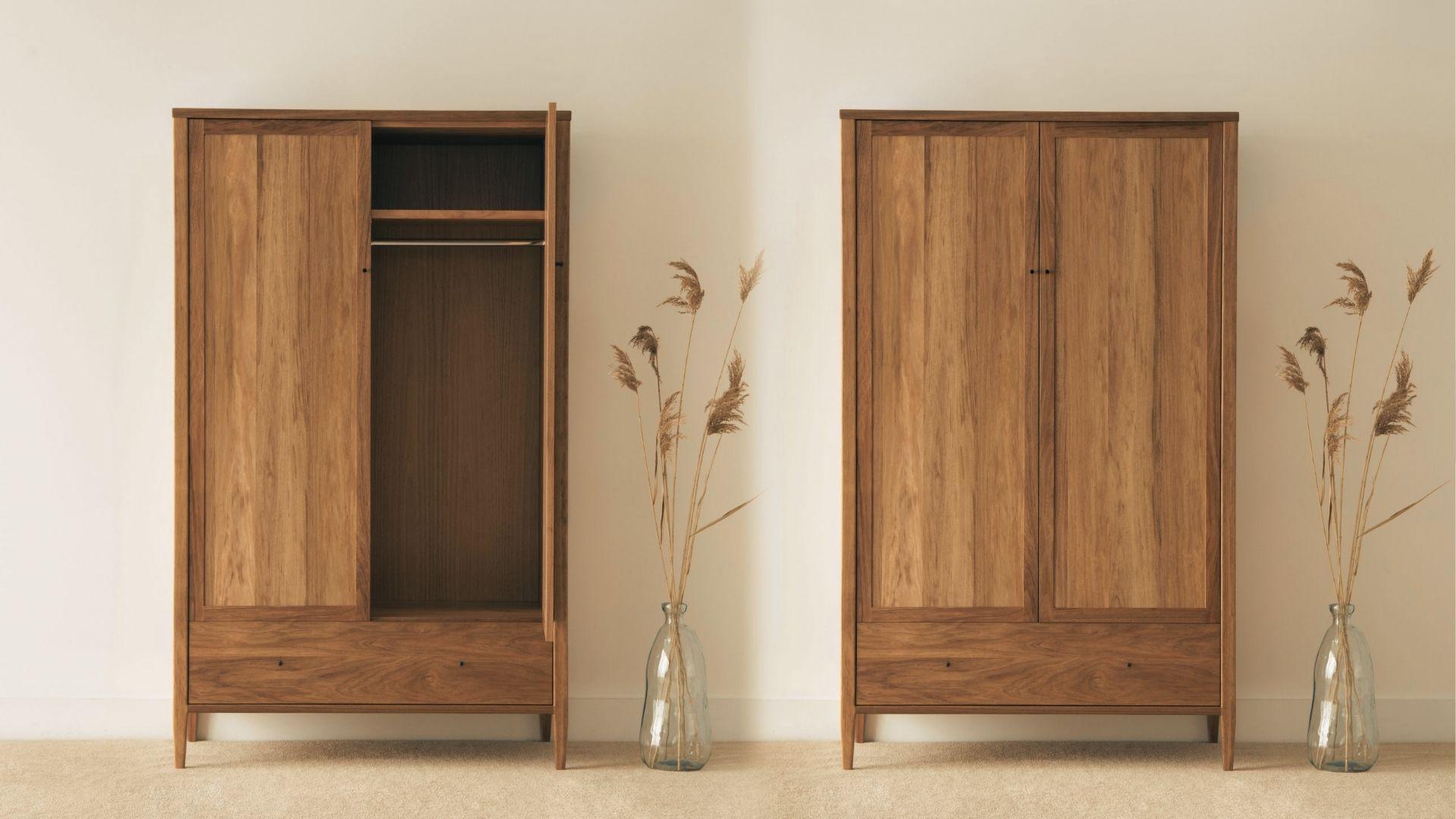
These are the most common types. They stand on their own and can be moved easily. Great for renters or anyone who might relocate. They come in many sizes and finishes.
Fitted Wardrobes
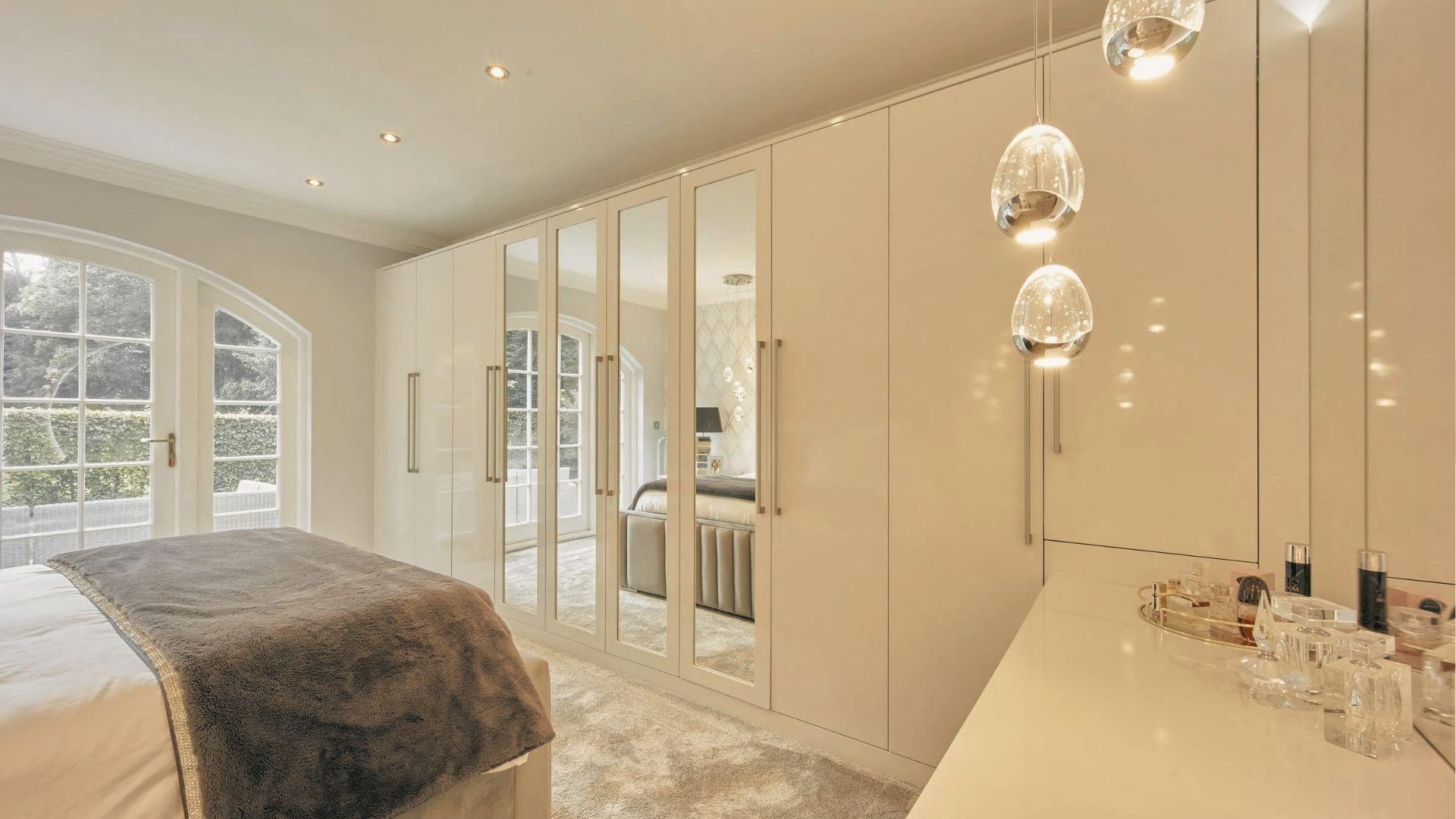
Fitted wardrobes are built into the wall or designed to fill a specific alcove. They look seamless and make the most of available space. They are usually custom-made and cost more than freestanding options, but they add a polished look to any bedroom.
Sliding Door Wardrobes

These have doors that slide along a track instead of swinging open. They save space and work well in rooms where you cannot afford extra clearance in front of the wardrobe. Very popular in modern apartments.
Hinged Door Wardrobes
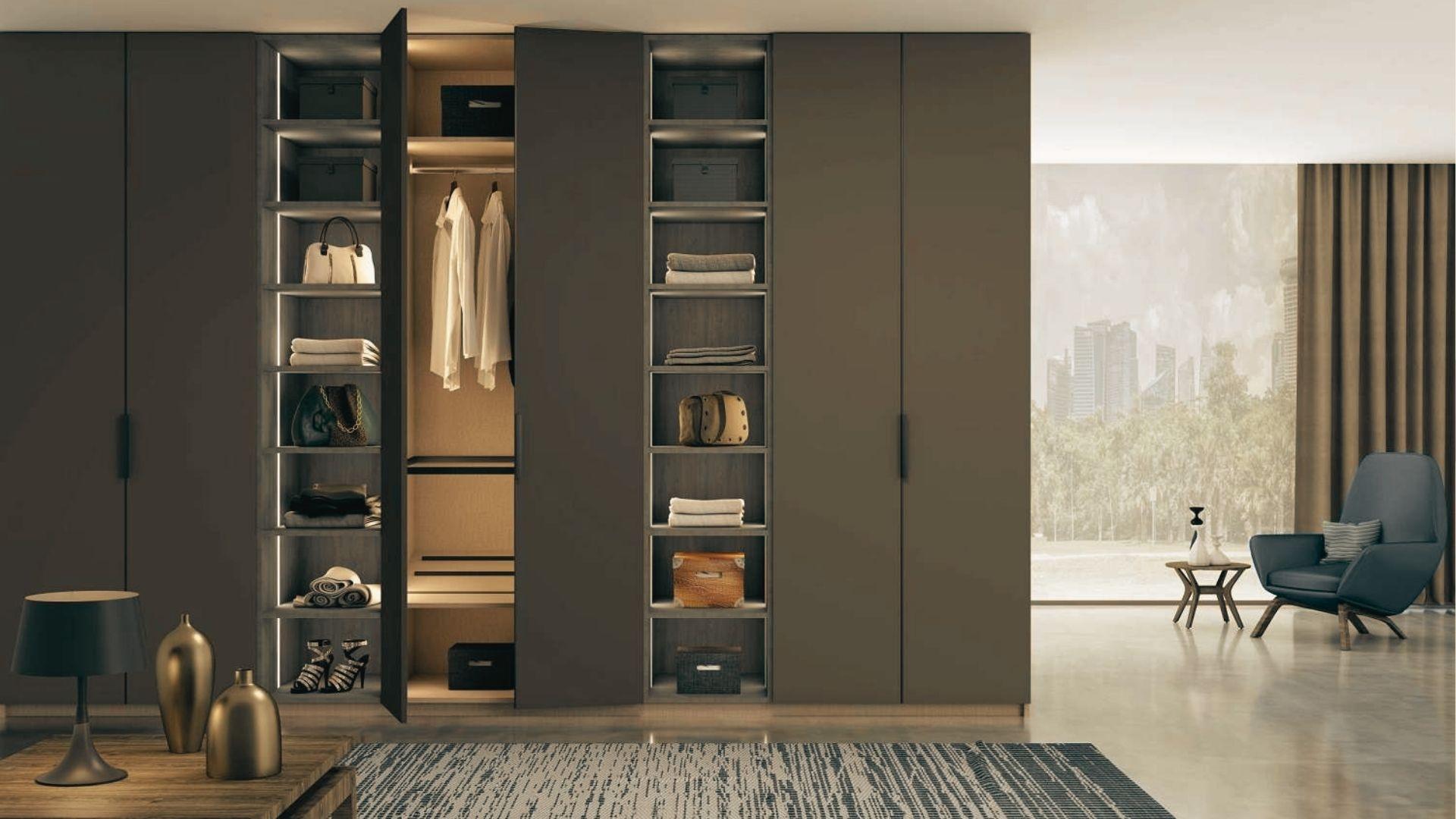
The traditional choice. Hinged doors swing open on hinges, giving you full access to the interior at once. You need a bit more space in front of them, but they are sturdy and long-lasting.
Mirrored Wardrobes

These feature mirrored panels on the doors.
They serve double duty: storage plus a full-length mirror. They also reflect light, making a room feel bigger and brighter. A smart choice for smaller spaces.
Walk-In Wardrobes

A walk-in wardrobe is more of a room than a piece of furniture. It is a dedicated space lined with rails, shelves, and drawers. Common in larger homes, they offer the most storage and the most flexibility in organization.
Different Types of Armoires
Armoires go far beyond the bedroom. Here are the most common types you will find today.
Clothing Armoires
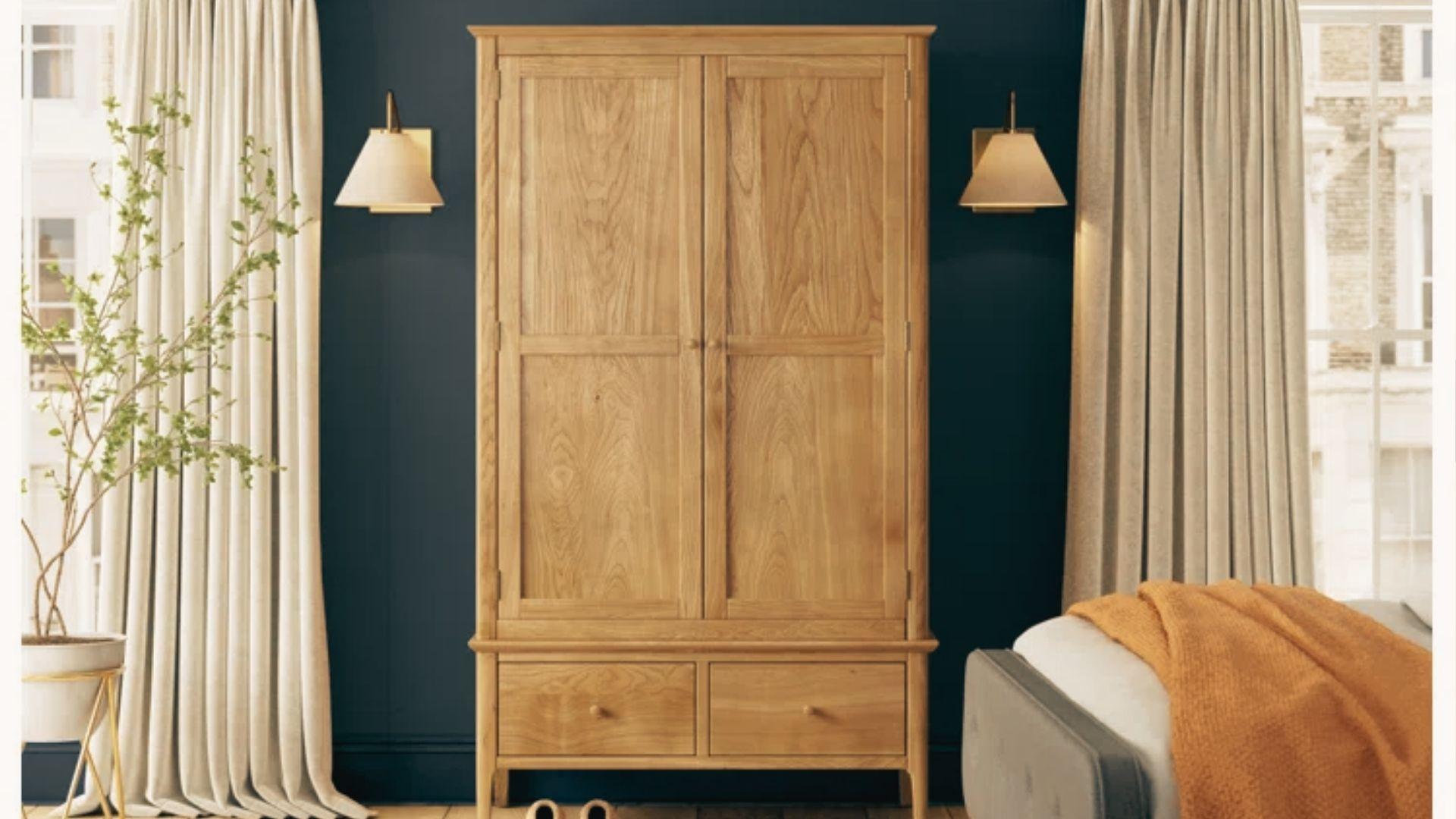
The classic type. Designed mainly for storing clothes with a combination of hanging space and shelves. Often beautifully made from solid wood with two large doors.
Entertainment Armoires

These are built to hold televisions, media players, and consoles. The doors close to hide the screen when not in use, keeping the room looking neat. Popular before flat-screen TVs became wall-mounted, but still used in some homes today.
Storage Armoires

General-purpose armoires designed to hold anything from linens to kitchen items to files. The interior is usually all shelving. Very practical in homes without enough built-in storage.
Decorative Display Armoires

These have glass panels or open shelving on the upper section. They are used to display dishes, books, collectibles, or decorative items.
They look like display cabinets but with the classic armoire shape.
Office and Multi-Purpose Armoires

These armoires open up to reveal a desk, shelves, and storage. Close the doors, and your home office disappears. A clever solution for small living spaces where a dedicated office room is not possible.
Wardrobe and Armoire Maintenance Tips
Simple care habits keep your furniture looking good and working well for years.
- Wipe laminate and MDF surfaces with a damp cloth and mild cleaner. For solid wood, always use a wood-specific cleaner and keep water away to prevent warping.
- Use felt pads under shelf objects to stop surface scratches from forming. Keep sharp items away from wooden panels at all times.
- Keep furniture away from young children's reach if it has decorative or fragile parts. A small precaution now saves costly damage later.
- Clean sliding door tracks regularly using a dry cloth or small brush to remove dust and debris. A light silicone spray helps doors glide smoothly without sticking.
- Never overload shelves or hanging rails as too much weight causes damage over time. Use dividers, storage boxes, and organizers to keep things neat without straining the structure.
Benefits of Using a Wardrobe vs Armoire
Both storage pieces serve a purpose, but they do it in very different ways. Here is a clear side-by-side look.
| Benefit | Wardrobe | Armoire |
| Clothing Organization | Dedicated rails, shelves, and drawers give every item its own place. Mornings become quick and stress-free. | Offers a mix of hanging space and shelves, good for folded clothes and select hanging items. |
| Storage Without Built-In Closets | A freestanding wardrobe gives you a full storage solution instantly, no renovation needed. | Works the same way, plus can store far more than just clothes, linens, supplies, and more. |
| Space Saving | Tall wardrobes use vertical wall space. Sliding door options save extra floor space by removing door clearance needs. | Takes up more floor space due to its depth and height, better suited for rooms with extra room to spare. |
| Keeps Rooms Tidy | When everything has a dedicated spot, clutter reduces naturally and the bedroom stays neater. | Bulky or awkward items go behind closed doors, keeping any room looking clean and organized. |
| Style and Look | Comes in many finishes. Mirrored versions brighten rooms. Wood finishes add warmth to the space. | Looks like a piece of art. Carved details and solid wood construction draw the eye and add character. |
| Multi-Purpose Use | Mainly built for bedroom clothing storage, great at doing that one job very well. | Holds clothes, media equipment, office supplies, or even a mini bar. Easy to repurpose as needs change. |
| Storage Capacity | Best for hanging garments and folded clothes, especially with a full-length rail inside. | Generous height and depth handle bulky items well. Great for deep shelving needs. |
| Room Flexibility | Mostly used in bedrooms, fitted or freestanding along one wall. | Works in living rooms, dining rooms, hallways, and kitchens. Fits naturally in many spaces. |
Tips to Choose the Right Wardrobe or Armoire
The right piece of furniture comes down to your space, needs, and budget.
- Measure your space first. Check the height, width, and depth of the area before buying. Also measure doorways and staircases to make sure the piece fits through.
- Pick the right door style. Sliding doors work well when floor space is tight. Hinged doors give you full access to the interior but need extra clearance in front.
- Plan your storage layout. Long garments need full-length hanging rails. If you fold most clothes, look for more shelves and drawers inside.
- Match the style to your room. Dark wood suits traditional interiors. White or grey finishes work better in modern spaces. Keep your existing furniture in mind before deciding.
- Set your budget and stick to it. Flat-pack wardrobes are affordable and widely available. Solid wood or custom options cost more but last longer and are easier to repair over time.
Conclusion
I hope this guide helped you feel more confident about choosing between a wardrobe and an armoire.
Personally, I always tell people to start with what they actually need to store before worrying about style. Once you know your storage needs, the right piece of furniture becomes obvious.
If this guide was helpful, leave a comment below or share it with a friend who is furnishing their home.
You can also check out our related guides on bedroom furniture and storage solutions. Happy organizing!
Frequently Asked Questions
What is the main difference between a wardrobe and an armoire?
A wardrobe focuses on clothing storage. An armoire is a decorative, freestanding cabinet used for multiple storage purposes.
Can an armoire be used as a wardrobe?
Yes, most armoires have rails and shelves inside. However, they offer less hanging space than a standard wardrobe.
Which is better for a small bedroom, a wardrobe or an armoire?
A wardrobe works better. Sliding door wardrobes save floor space and offer more storage in tight rooms.
Are armoires expensive compared to wardrobes?
Yes, armoires cost more, especially solid wood versions. Flat-pack wardrobes are far more budget-friendly.
How long do wardrobes and armoires last?
Solid wood armoires can last decades. Quality wardrobes also last long. Flat-pack options may need replacing sooner.